Understanding the cost of private lung cancer treatment in the UK
By choosing private treatment, you may access the latest treatments, rapid access to diagnostic tests, short waiting times, greater flexibility, and personalised cancer care.
Private cancer care offers control over your cancer treatment pathway and the possibility of beginning your lung cancer treatment plan, surgery, chemotherapy treatments, or radiotherapy more quickly.
Choosing private care also means you can access cancer treatment privately, whether you are self-pay or using private medical insurance or private health insurance coverage. Options may also include private health insurance policy benefits for cancer treatment. This guide will provide a comprehensive overview of cancer treatment costs, including what influences the cost of private lung cancer treatment, how using private health insurance or self-funding options works, and what to expect at each step.
Get in touch with our team today or download our brochure to find out more.
What influences private lung cancer treatment costs?
The cost of private lung cancer treatment can vary depending on your cancer diagnosis, stage, and the treatment plan recommended by your cancer care team. Costs may also vary depending on whether you need urgent referral, access to chemotherapy, radiotherapy, or other new treatments.
Type and stage of lung cancer
- Early-stage lung cancer tends to involve fewer, less intensive treatments, such as surgical tumour removal, and incurs lower costs.
- Advanced or metastatic lung cancer often calls for multiple treatment options, such as chemotherapy, targeted therapies, immunotherapy, and longer cycles of radiotherapy, each affecting the cost of treatment for lung cancer.
- Some lung cancer cases require urgent referral, while complex cases may need input from a chest physician, social care support, or research-based, latest treatments such as clinical trials.
- The cost may also depend on whether you are receiving treatment for primary lung cancer or recurrent disease, and if your plan includes surgery, treating with the intent to destroy cancer cells, or palliative care.
Diagnostic and treatment plans
A rapid lung cancer diagnosis and urgent access to diagnostic tests, such as imaging tests (CT scan, PET scan, blood tests), or initial consultation, are central to starting private cancer treatment sooner.
- Surgery, chemotherapy, targeted therapies, and radiotherapy are typically the most significant contributors to overall costs. Treatments like private chemotherapy may vary in price based on the frequency and method of delivery, for example, whether you attend a hospital or opt for care at home.
- Access to new treatments and clinical trials may be available privately, sometimes with additional charges.
- Cancer treatment privately often includes rapid access to blood tests, imaging, and consultant review, reducing NHS waiting times and providing prompt guidance from your cancer care team.
- Diagnostic tests and access to consultant-led care for cancer patients are available both to private pay and insured patients through health insurance and private health insurance policy coverage.
Treatment setting
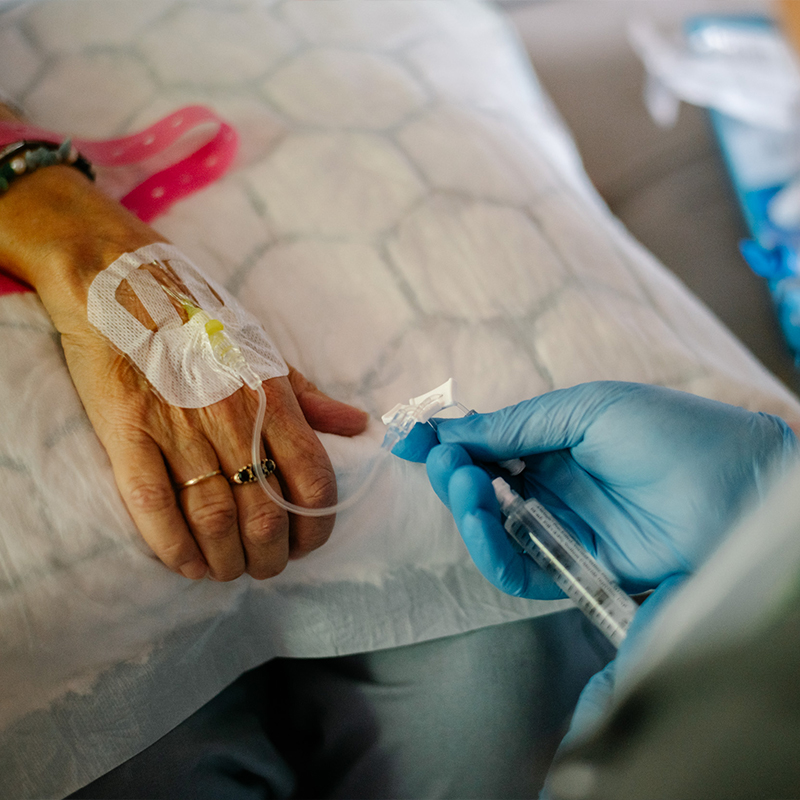
Home-based private care is becoming more common for treating lung cancer, offering many patients the ability to receive chemotherapy, targeted therapies, and symptom-relief regimens at home. This can reduce overall costs, travel burdens, accommodation fees, and time off work, while maintaining the same clinical excellence as hospital-based care. However, private care also provides hospital-based options if required by your treatment plan or health status.

Breakdown of private lung cancer treatment costs
Private cancer treatment costs are typically broken down into key elements.
Initial consultations and diagnostic assessments
- Initial consultation: The first meeting with a private consultant lays out your treatment plan and discusses all cancer treatment options.
- Diagnostic tests: These may include imaging tests (such as CT scans, PET scans, and MRIs), biopsies to detect cancer cells, and blood tests to determine the exact cancer type and stage.
- Urgent referral: Private healthcare can often arrange rapid access to diagnostic tests or a consultant, which is particularly valuable for those experiencing cancer symptoms and seeking prompt answers.
Surgical procedures
Surgery may be recommended to remove tumours, lymph nodes, or even an entire lung in cases of primary lung cancer. The complexity of surgery, whether minimally invasive or open-chest, may affect costs, as do factors such as hospital (London clinic vs regional hospital), the need for ICU care, and length of stay.
- Surgery could be, for example, a lobectomy, wedge resection, or even pneumonectomy (entire lung removal).
- Your health professional or lung specialist will discuss the best approach and the financial implications for your particular cancer diagnosis.
- Private hospitals may offer the latest techniques, short waiting times, and world-class cancer care, whether treating early disease or advanced lung cancer.
Chemotherapy and other cancer drug therapies
Chemotherapy treatments, including the latest targeted therapies and immunotherapy, are key components in the treatment of lung cancer, both for early and advanced disease.
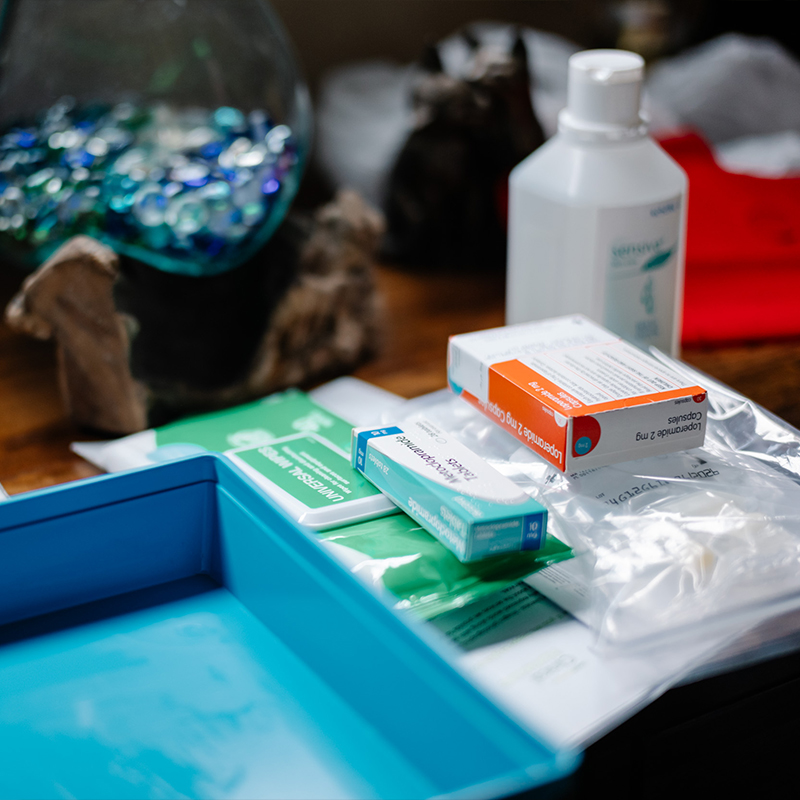
- The cost varies based on the number of sessions, drugs prescribed, whether chemotherapy is given privately in the hospital or at home, and if other supportive drugs are needed to relieve symptoms or treat side effects.
- Some patients with cancer symptoms may also need hospital admissions to manage complications or severe side effects, which can further affect costs.
- Private patients may also access new treatments (including biological therapies) through private research programmes or clinical trials, and may benefit from consultant-led guidance on the most effective, evidence-based regimens for their type of lung cancer.
- Data from the Private Healthcare Information Network and other private cancer service databases can help patients understand the costs of chemotherapy treatments and other drug therapies for lung cancers at different hospitals across the country.
Radiation therapy
Radiotherapy (including stereotactic body radiation therapy) is commonly used in both hospital and outpatient settings.
- The number and type of sessions vary depending on the cancer stage, whether treatment is palliative or curative, and whether it targets the lungs or other parts of the body where tumours or cancer cells have spread.
- Palliative radiotherapy aims to relieve pain from lung or bone metastases, while curative radiotherapy seeks to destroy cancer cells in early or localised disease. Cost will depend on how many treatments are needed and the technology used.
- Private cancer care often offers the latest treatments in radiotherapy, with technology used in leading cancer research centres and shorter waiting times compared to NHS treatment.
Long-term monitoring and maintenance
After treatment for lung cancer, private care continues with scheduled follow-up visits, repeat diagnostic tests, additional blood tests, and consultations, all important for tracking your progress and managing any lingering or recurring cancer symptoms.
- Cost for private monitoring includes regular check-ins, repeat imaging, and continuous coordination between your consultant and any NHS treatment team if you’re combining NHS and private care.
- Private cancer patients benefit from direct consultant access, flexible appointment scheduling, and continuity from the same clinical team, which may be reflected in costs.
Home-based cancer care advantages
- Private cancer care at home can help destroy cancer cells with the same anti-cancer drugs and protocols as hospital-based care, but without the added hospital costs.
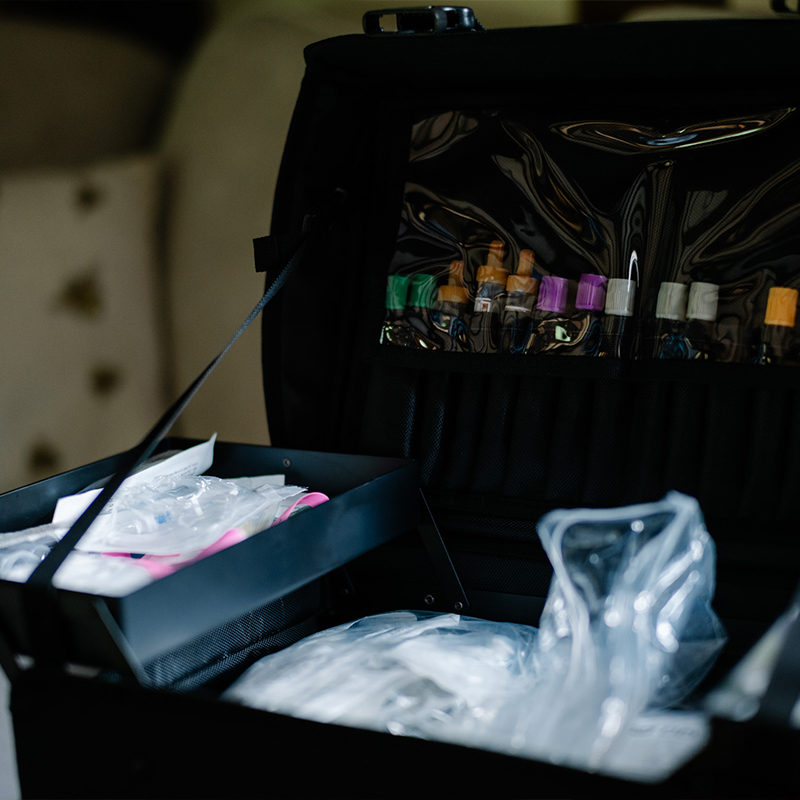
- Private care nurses visit patients to deliver chemotherapy, targeted therapies, or supportive medications, monitor health, and communicate regularly with your NHS treatment team, if applicable.
- Home-based treatment reduces travel fees and accommodates private patients who need to continue working or caring for family.
- Data shows that private hospitals and home treatment providers accredited by the Private Healthcare Information Network are maintaining excellent safety and patient satisfaction standards.

Insurance coverage and payment options
Private medical insurance
Most private medical insurance and private health insurance policies will cover at least part of the cost of private lung cancer treatment, including diagnostic tests, surgery, chemotherapy, targeted therapies, radiotherapy, and even follow-up care.
- Always check your health insurance policy’s coverage levels, annual limits, and any terms regarding urgent referral or GP referral.
- Private health insurance can also cover further diagnostic procedures or access to clinical trials, provided they are recognised by your health insurance provider or the Private Healthcare Information Network.
- Many patients find that their medical insurance makes private cancer care and private chemotherapy more affordable and reduces out-of-pocket costs for essential cancer care services.
Self-funding options
For those without private medical insurance or who are ineligible for cancer care coverage, self-pay is a common route.
- Many private hospitals offer fixed-price packages or payment plans for cancer patients, making it easier to spread costs for the full range of cancer treatments, including surgery and chemotherapy.
- You’ll receive a detailed cost estimate during your initial consultation, and you can always discuss payment terms with your consultant or hospital finance team.
- Choosing private care as a self-pay patient means control over when and where to have your treatment, and the ability to pay for the most appropriate cancer treatment for your needs, whether it’s at a London clinic or a regional facility.
Combining NHS and private care
You may choose to blend NHS treatment and private care to balance the benefits of both systems.
- Some patients opt for rapid initial consultation and diagnostic tests via private healthcare to avoid NHS waiting lists, then return to NHS care for ongoing treatment or combine both for new treatments not available in public hospitals.
- Data shows that the private healthcare information network can help you track your costs and treatment journey if you alternate between private cancer care and NHS care.
- The national health service and private care can complement each other, enabling you to access specialist research, urgent referral pathways, rapid access to consultants, or new treatments available through clinical trials and private cancer services.
Looking for more information?
We’ve worked with thousands of patients, and we know you’ll have a lot of questions.
If you’re ready to talk to us to discuss your options, fill out the form below and we’ll be in touch quickly.
If your enquiry is urgent please call 0345 2636 123 (England and Wales) or 0345 2636 135 (Northern Ireland and Scotland).
We know the benefits of cancer care at home
Our specialist cancer services ensure private medically insured and self-paying patients who want an alternative to hospital can start their treatment faster. We consider all cancer treatments, including those not currently available in hospitals.

Your guide to lung cancer treatment
Navigating a lung cancer diagnosis or understanding early-stage lung cancer and advanced disease can be daunting.
This guide brings together key information about lung cancer and its development, helping you recognise symptoms, explore lung cancer screening and diagnostic tools, and consider your treatment options.