Award-nominated at-home ECG monitoring for cancer patients: faster, safer treatment pathways
Recognised as a finalist in both the Innovation Excellence Award and Improving Patient Experience Award, Lloyds Clinical’s Community ECG Monitoring Service is helping improve how patients access cardiac diagnostics alongside cancer treatment.
Why ECG monitoring matters in cancer treatment
For cancer clinicians, timely access to cardiac monitoring can make a real difference to the pace and safety of treatment. When an electrocardiogram (ECG) is needed before treatment begins, during treatment, or in response to symptoms, even a short delay can affect the wider pathway. What should be a straightforward diagnostic step can quickly become another appointment to arrange, another service to coordinate and another reason for treatment to be held up.
Lloyds Clinical provides at-home 12-lead ECG monitoring to help remove that delay and give clinicians faster access to the information they need to make timely treatment decisions.
This expanded capability responds to a clear clinical need. As cancer services become more complex, consultants need reliable access to diagnostics that support safe treatment initiation and ongoing monitoring without creating avoidable disruption. Patients need care that feels simpler, more joined up and easier to navigate.
The role of ECGs in systemic anti-cancer therapy (SACT)
An ECG is a non-invasive test that records the electrical activity of the heart. In cancer care, it can help establish baseline cardiac function before treatment begins, monitor for treatment-related cardiac effects, support safe continuation of treatment and identify issues early.
This is particularly relevant for Systemic Anti-Cancer Therapies (SACT) that require cardiac monitoring, including treatments such as Ribociclib and other SACT associated with potential cardiac effects. ECG monitoring is recommended for patients who are starting or currently taking QT-prolonging medications. A baseline ECG should be obtained for all new referrals, with repeat ECGs performed if risk factors are present, if high-risk medications are prescribed, or as clinically indicated at the clinician’s discretion.
Traditionally, patients may need to attend a separate appointment at hospital, clinic or GP practice to access this monitoring. In already busy pathways, this can introduce extra steps at exactly the point where speed and clarity matter, in order to start SACT. It can also create unnecessary disruption for patients who are already managing the wider demands of cancer care.

How at-home ECG monitoring supports faster treatment decisions
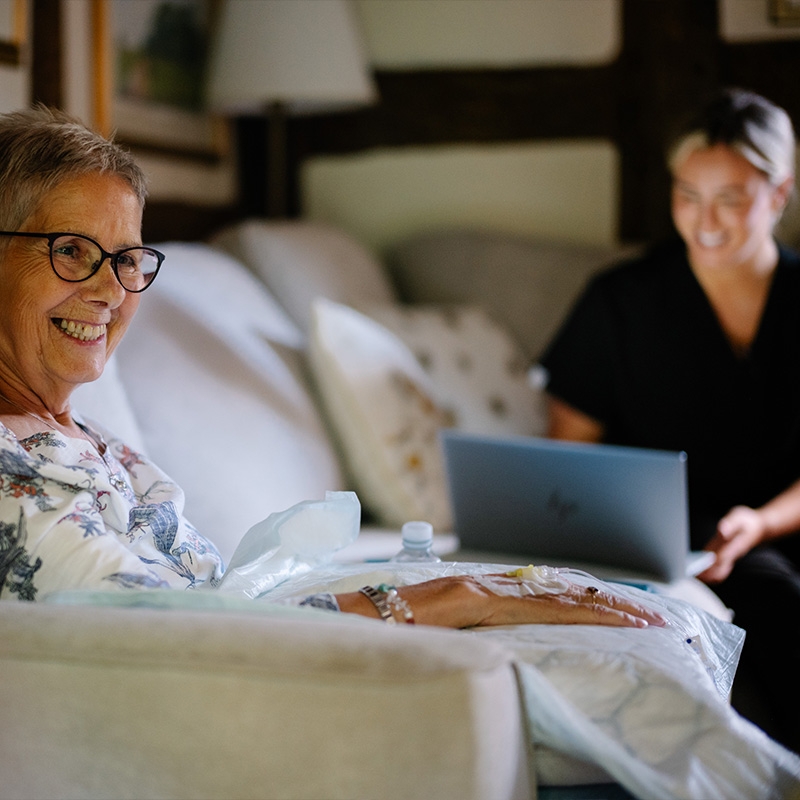
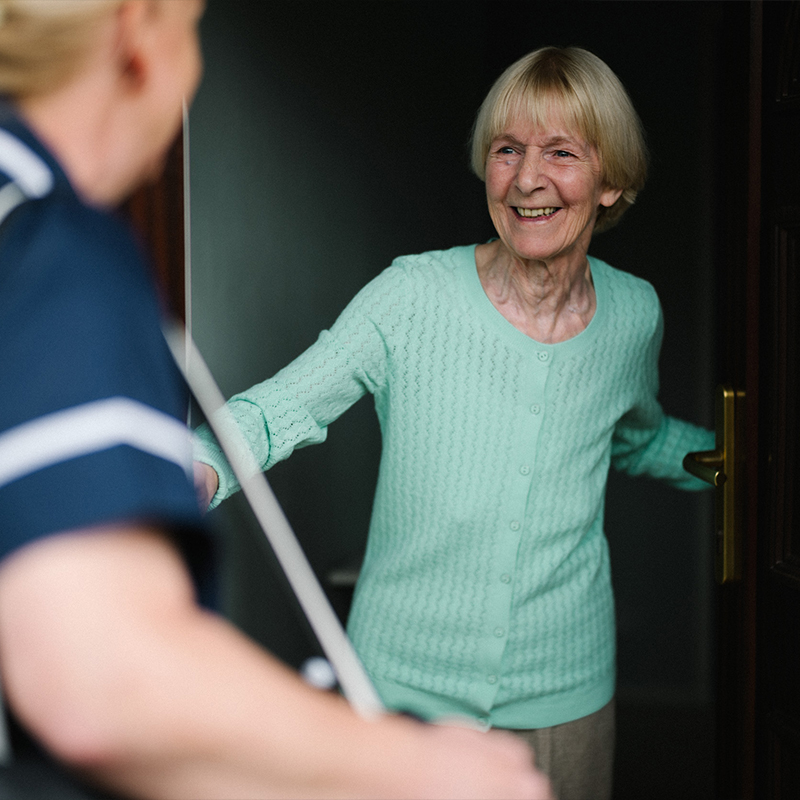
By bringing ECG monitoring into the home, Lloyds Clinical supports a more streamlined route to care. A Lloyds Clinical nurse visits the patient’s home and completes a 12-lead ECG. The ECG result is then transmitted securely for interpretation, and the report is returned to the referring clinician within 30 minutes, allowing clinical decision-making to move forward without unnecessary delay.
For clinicians, the benefit is not only speed. It is also about greater control. Instead of asking patients to navigate another appointment, in another setting, ECG monitoring can sit within a single provider model. That means fewer referrals to other services, less administration, clearer accountability and faster access to the information needed to support treatment decisions.
“The ability of the team to provide ECGs in the community has been of great help. With the introduction of new cancer treatments that require QTC monitoring, delivering this service in patients’ homes has improved their experience and kept treatment under the care of a single team.
Before this service was available, it was incredibly difficult to organise ECGs for QTC monitoring in a timely manner. Many of our patients also take concomitant medications prescribed by their GP that can affect the QTC interval, so having access to home-based ECG monitoring is invaluable.
In addition, some chemotherapy regimens require a baseline ECG. This service enables personalised, integrated care while supporting timely treatment decisions.”
Dr Daniela Lee, Consultant Clinical Oncologist, The Newcastle Upon Tyne Hospitals NHS Foundation Trust
Improving the patient experience with home-based ECG services
For patients, the service offers a more manageable experience. Receiving an ECG at home reduces travel, avoids the need to attend multiple appointments and can reduce delays in treatment due to waiting times.
Benefits for private medical insurers and healthcare partners
For private medical insurers (PMIs) and wider partners, the service offers a more efficient and coordinated route to care. Bringing diagnostics and treatment support together within a single model can reduce unnecessary hospital activity, support continuity of care and improve the overall patient experience.
It reflects the principles of value-based care by helping to deliver safe, timely and patient-centred support while making better use of resources.
Clinical governance and specialist ECG interpretation
Clinical quality and governance are central to the service. It is delivered in partnership with Broomwell Healthwatch, the UK’s leading provider of ECG interpretation services for NHS primary care.
All ECGs are interpreted by UK-based cardiac clinicians, with robust clinical governance, high standards of patient safety and secure, compliant data handling built into the service. That gives clinicians confidence not only in the convenience of the model, but in the quality and reliability behind it.
Same-day reporting, specialist interpretation and a clearly defined route from diagnostic test to clinical decision all help keep treatment on track.
Expanding access to out-of-hospital cardiac diagnostics
The introduction of ECG at home reflects Lloyds Clinical’s wider commitment to expanding specialist services delivered outside traditional hospital settings. As more treatment and support moves outside hospital, diagnostics need to move with it.
At-home ECG monitoring supports the integration of cardiac assessment within a coordinated care pathway, enabling patients to access more streamlined, holistic care within a single, connected service. Lloyds Clinical was the first provider of out-of-hospital treatment to introduce this type of service and continues to invest in innovative models that respond directly to clinician and patient needs.

Learn more about Lloyds Clinical’s at-home ECG service
To learn more about Lloyds Clinical’s at-home ECG service or discuss referral pathways, please email the team at PrivateCancerCare@lloydsclinical.com.