Your guide to bowel cancer treatment
Whether you’ve recently received a diagnosis of bowel cancer, are experiencing concerning symptoms, or you’re searching for clear, compassionate information about bowel cancer treatment options, risk factors, and cancer support services, know that you’re not alone.
We’ve developed four comprehensive guides to support you through every stage of bowel cancer care.
Frequently asked questions about bowel cancer
What is bowel cancer?
Bowel cancer, sometimes called colorectal cancer, develops when abnormal cells grow uncontrollably in the large bowel (colon) or rectum, sometimes affecting the small bowel or anal canal as well. These cancer cells form tumours that can influence normal bowel function, disrupt the digestive system, and, when cancer spreads, impact other organs or the back passage. Most bowel cancers are adenocarcinomas, arising from the glandular lining. Recognising whether you have colon cancer, rectal cancer, or small bowel cancer is essential for personalised treatment.
What are the symptoms of bowel cancer?
Identifying symptoms of bowel cancer early provides the best chance for a complete cure and minimises the impact on your health and sex life. The most common symptoms include:
- Changes in bowel habits or a normal bowel habit lasting more than three weeks, such as diarrhoea, constipation, or a change in bowel consistency
- Blood in your poo (including hidden blood), rectal bleeding, or dark stools
- Persistent abdominal pain or cramping
- Unexplained weight loss
- Fatigue and signs of anaemia
- Persistent urge to pass stool or a feeling of incomplete emptying
Other symptoms may include persistent bloating, discomfort in the back passage, narrowing of the stools, or a test called FIT detecting hidden blood, even before symptoms have developed. Early diagnosis, especially via bowel screening tests and a screening kit, improves outcomes for most bowel cancers.
What causes bowel cancer?
Several risk factors influence your chance of developing bowel cancer, including:
- Age and genetics: Most patients are over 60, but increased risk is seen in those with a family history of bowel cancer, familial adenomatous polyposis, Lynch syndrome, or an inherited tendency for polyps to develop.
- Lifestyle factors: Diets high in processed meat, lack of healthy lifestyle habits, obesity, low activity levels, and smoking all elevate the risk of bowel cancer.
- Pre-existing conditions: Inflammatory bowel diseases like ulcerative colitis or Crohn’s disease, and a history of bowel polyps.
- Environmental and occupational influences: Some exposures and medications may raise risk.
A healthy diet, maintaining a healthy weight, and stopping smoking support risk reduction, especially for those at higher risk due to genetics or lifestyle changes.
What are the treatment options for bowel cancer?
Bowel cancer treatment is highly individualised, and your cancer team will recommend a plan reflecting your diagnosis, stage, and general health:
- Surgery: Key for early-stage and resectable disease, achieving a complete cure in many cases.
- Chemotherapy: May be used pre- or post-surgery, or as a treatment for metastatic bowel cancer.
- Radiation therapy: Often for rectal cancer or advanced bowel cancer.
- Targeted therapy and immunotherapy: Selected based on molecular features, sometimes influenced by family history, Lynch syndrome, or the presence of specific biomarkers.
- Palliative care: Focused on comfort for advanced disease, including symptom relief and support for patients and families.
- Clinical trials: May offer novel therapies for those with complex or treatment-resistant disease.
Your specialist nurse, cancer doctor, and support services are available at every step, including palliative care and home-based bowel cancer treatments.
How is bowel cancer diagnosed?
Diagnosis commonly begins with bowel cancer screening (including at-home screening kit use), GP assessment, and blood tests. Further steps may include colonoscopy (using a flexible tube), flexible sigmoidoscopy, imaging (CT/MRI scans), pathology, and advanced testing for cancer cells in the bowel wall or surrounding tissue. Diagnosis also looks for spread to nearby lymph nodes or distant organs, and assesses the bowel wall for abnormalities.
Early and accurate diagnosis ensures rapid access to different treatments, gives most patients the best chance for a complete cure, and supports the recovery of normal bowel habits and digestive system function.
How much does private bowel cancer treatment cost?
Private treatment for bowel cancer in the UK grants rapid access to consultations, a broad array of different treatments, and a choice of care settings, whether that’s a hospital, clinic, or at home. Costs depend on treatment setting (hospital vs. home), choice of consultant, type of care (surgery, chemotherapy, or targeted therapies), and associated support, as well as use of health insurance or self-pay. Combining NHS and private care, and using cancer support services, can provide flexibility for urgent care or access to advanced therapies.
Can you receive bowel cancer treatment at home?
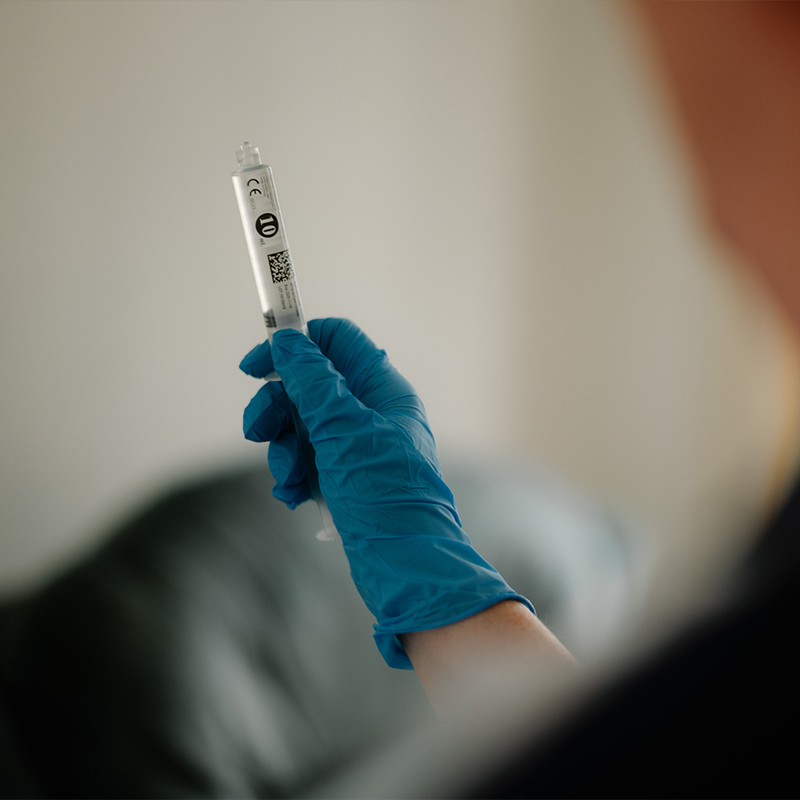
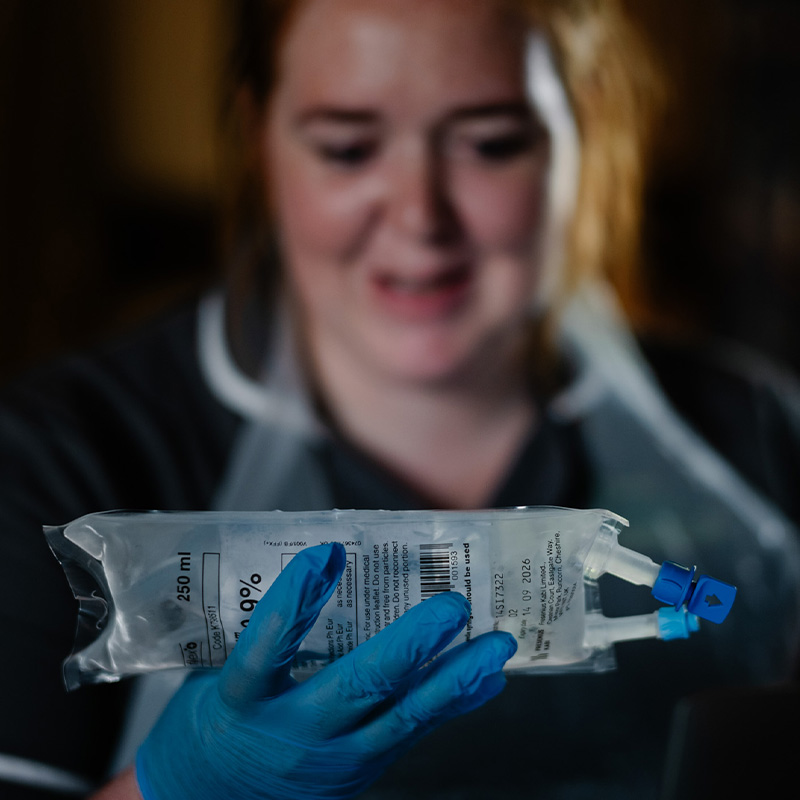
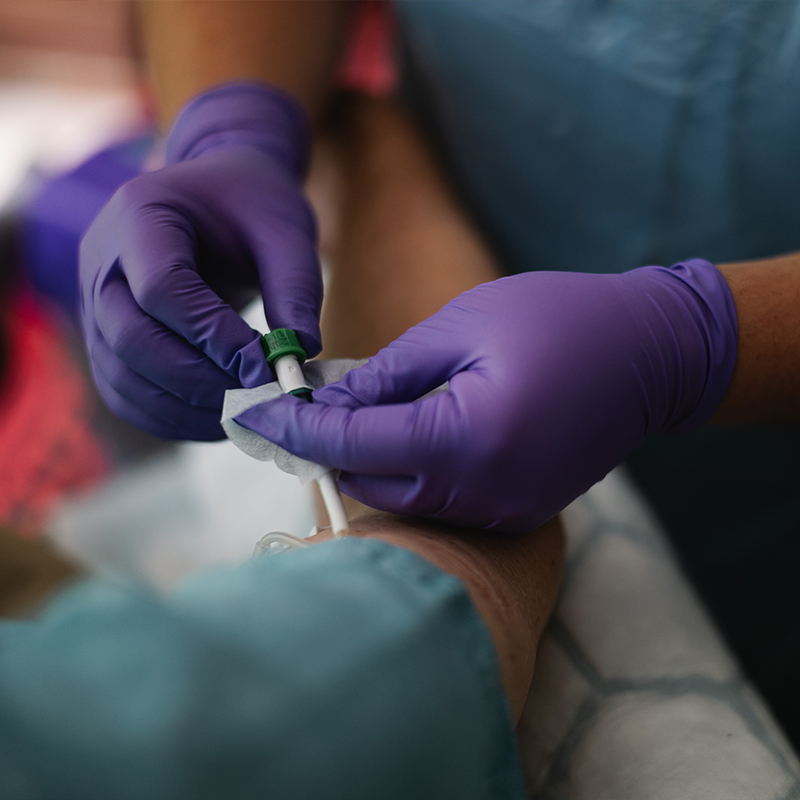
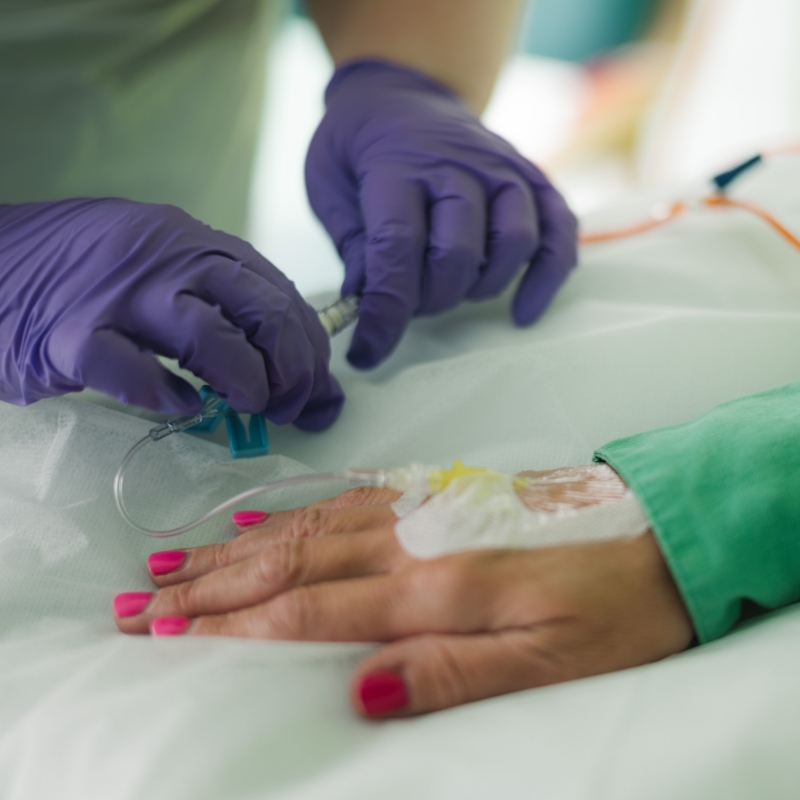
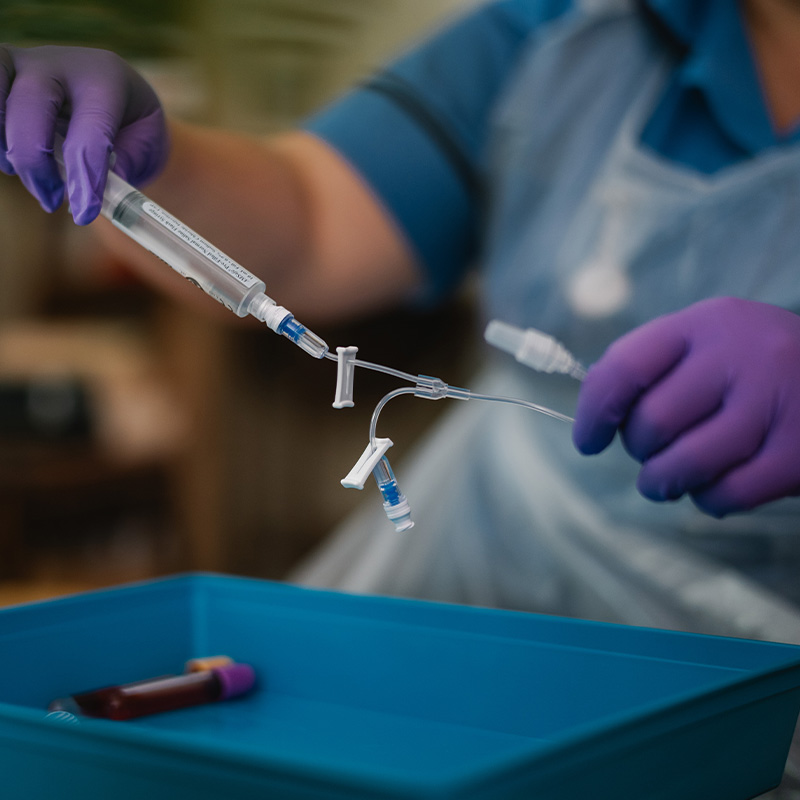
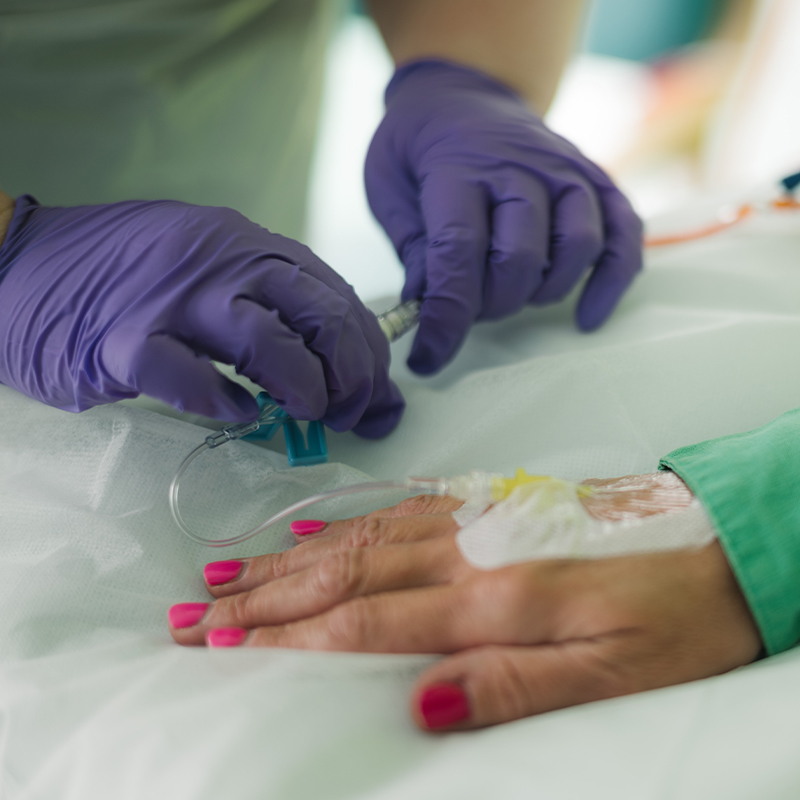
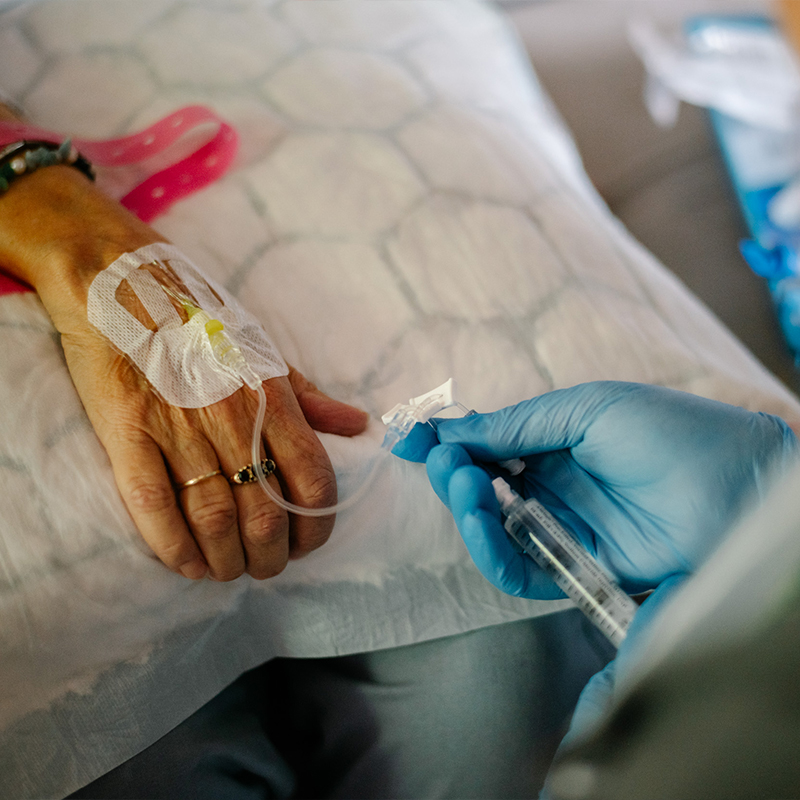
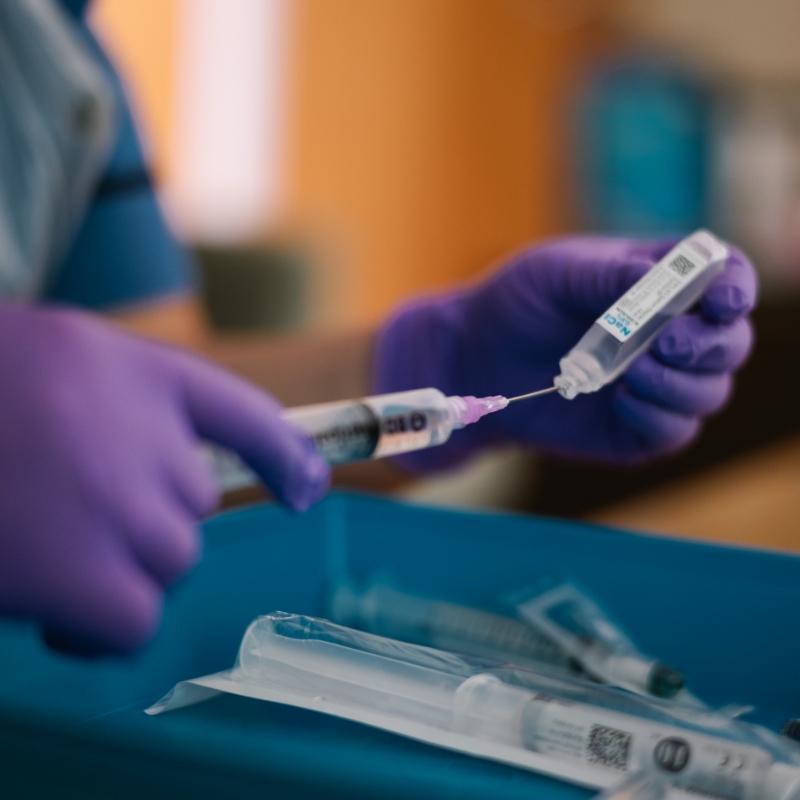
Yes—bowel cancer treatment at home has become an important option for many, allowing convenient access to chemotherapy, targeted therapy, and supportive care. Home-based care reduces infection risk, maintains privacy and routine, and enhances participation of family or carers. Specialist nurses and multidisciplinary cancer teams ensure safety and quality standards, enabling most patients to continue treatment in their own community when appropriate.
Taking control of your bowel cancer journey
Reliable, insightful information about bowel cancer, colon cancer, rectal cancer, and small bowel cancer empowers you to make confident decisions about your health, including choices involving screening, lifestyle changes, different treatments, and support from cancer doctor and nurse teams. By recognising symptoms early, managing risk factors, participating in bowel cancer screening, and maintaining open dialogue with your specialist nurse and cancer team, you play an active role in protecting your digestive system and ensuring your own health and care excellence.
We know the benefits of cancer care at home
Our specialist cancer services ensure private medically insured and self-paying patients who want an alternative to hospital can start their treatment faster. We consider all cancer treatments, including those not currently available in hospitals.

Looking for more information?
We’ve worked with thousands of patients, and we know you’ll have a lot of questions.
If you’re ready to talk to us to discuss your options, fill out the form below and we’ll be in touch quickly.
If your enquiry is urgent please call 0345 2636 123 (England and Wales) or 0345 2636 135 (Northern Ireland and Scotland).
Your guide to bowel cancer treatment
A bowel cancer diagnosis can be overwhelming. Rest assured, you’re not alone, and there are many options for managing the condition and tailoring treatment to suit your individual needs.
Our guide is here to help you understand private bowel cancer treatment and the main treatment options available.