Understanding bowel cancer testing and diagnosis
Bowel cancer, also called colorectal cancer, remains one of the most common cancers in the UK, including colon and rectal cancer and less frequently small bowel cancer. Early diagnosis through the right bowel cancer tests screening is critical to achieving the best possible outcomes for patients. Whether you’re attending a routine NHS England bowel screening appointment after receiving a screening invitation, participating in the Bowel Cancer Screening Programme, or experiencing symptoms of bowel cancer, understanding the entire testing process can support early-stage detection and empower you to make informed decisions about your health and care.
The importance of early detection
The possible benefits of early diagnosis are clear: catching bowel cancer early, typically through regular screening in the appropriate age range using a simple screening test such as the faecal immunochemical test FIT), dramatically increases your ability to find cancer early and achieve a complete cure.
The NHS Bowel Cancer Screening Programme, accessible through screening invitations for eligible age ranges and a free bowel cancer screening helpline, uses a screening kit to collect a small stool sample at home. This bowel screening test detects hidden blood, a possible indicator of bowel or rectal cancer, even when only a small amount is present that cannot be seen on toilet paper.
When abnormal areas are found or test results are positive, prompt further tests or referral may follow, like a colonoscopy or flexible sigmoidoscopy. Remember, many people diagnosed with bowel cancer through screening have a better chance of a complete cure because the cancer is at an early stage or even limited to non-cancerous growths that can develop into cancer if untreated.
Common symptoms of bowel cancer
Being able to spot early symptoms of bowel cancer enables earlier detection and treatment. Common signs of bowel cancer include:
- Persistent changes in bowel habits such as looser stools, constipation, or more frequent bowel movements than your normal bowel habit, especially lasting three weeks or longer.
- Blood in your poo, which you might first notice while using toilet paper or in the water after a bowel movement.
- Unexplained abdominal pain, cramping, or persistent bloating.
- Losing weight without diet changes.
- Persistent fatigue or weakness, sometimes linked to iron-deficiency anaemia from hidden blood loss.
- Feeling of incomplete bowel evacuation or an ongoing urge to go, even after going to the toilet.
Most patients who respond quickly to these symptoms and participate in regular screening have more treatment options, including access to different treatments even for advanced or metastatic bowel cancer. Remember, symptoms can be caused by non-cancerous conditions, but persistent or abnormal features warrant rapid contact with your GP surgery or the free screening helpline.
Comprehensive diagnostic testing
Diagnostic tests include stool samples using a faecal immunochemical test (FIT) or the older guaiac-based test (now less common), imaging supported by colonoscopy or flexible sigmoidoscopy, and sometimes blood tests. A positive result on a home test kit, especially in people with average risk, generally leads to more tests to spot bowel cancer or rule out non-cancerous problems.
Imaging tests for bowel cancer
Imaging is central to assessing the large bowel and rectum, and identifying non-cancerous growths and cancer cells:
Bowel cancer screening for high-risk individuals
The bowel cancer screening programme is vital for spotting hidden blood or non-cancerous polyps that might develop into cancer, especially in people at higher risk due to a family history of bowel cancer, conditions like familial adenomatous polyposis, Lynch syndrome, or ulcerative colitis, or those with a history of non-cancerous growths.
NHS Bowel Cancer Screening Programme:
Eligible individuals receive a screening invitation and screening kit to complete a faecal immunochemical test at home. The test picks up only a small amount of hidden blood in stool samples, so it’s designed even for people without symptoms. The results are sent out quickly and if the result is positive or there are abnormalities, you will be offered further tests.
Enhanced Surveillance:
People at higher risk may be advised to start regular screening earlier or have more tests, including flexible sigmoidoscopy or colonoscopy, to spot developing bowel cancer or non-cancerous growths in the large or small bowel.
Tissue testing for bowel cancer
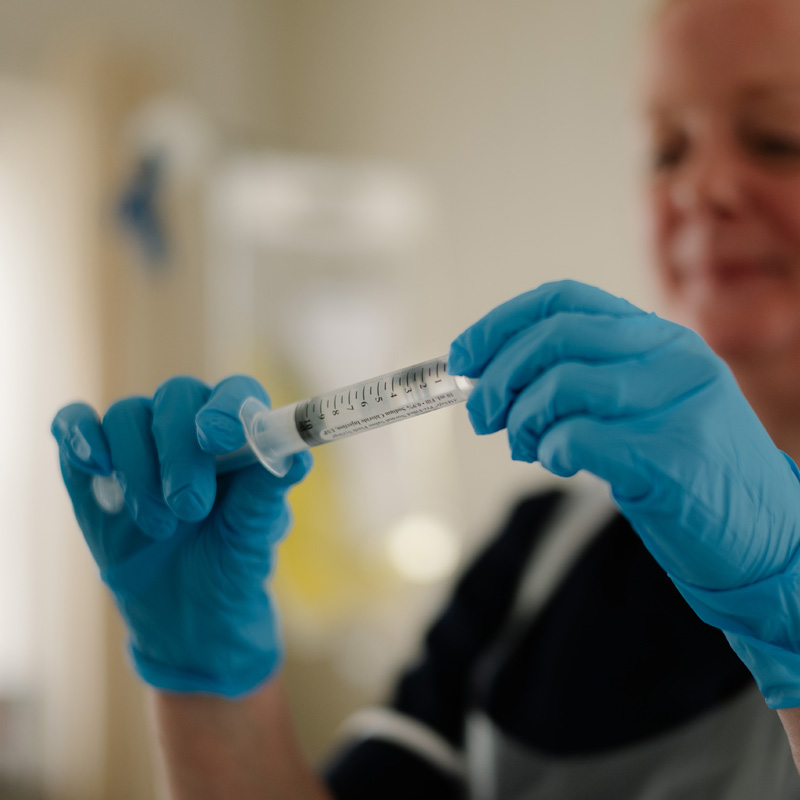
If imaging or a positive FIT test finds abnormal areas, tissue sampling is essential to diagnose bowel cancer. During a colonoscopy or flexible sigmoidoscopy, your healthcare professional will collect biopsies using the camera’s flexible tube. This process is minimally invasive but essential for a complete and early diagnosis.
Endoscopic Mucosal Resection (EMR):
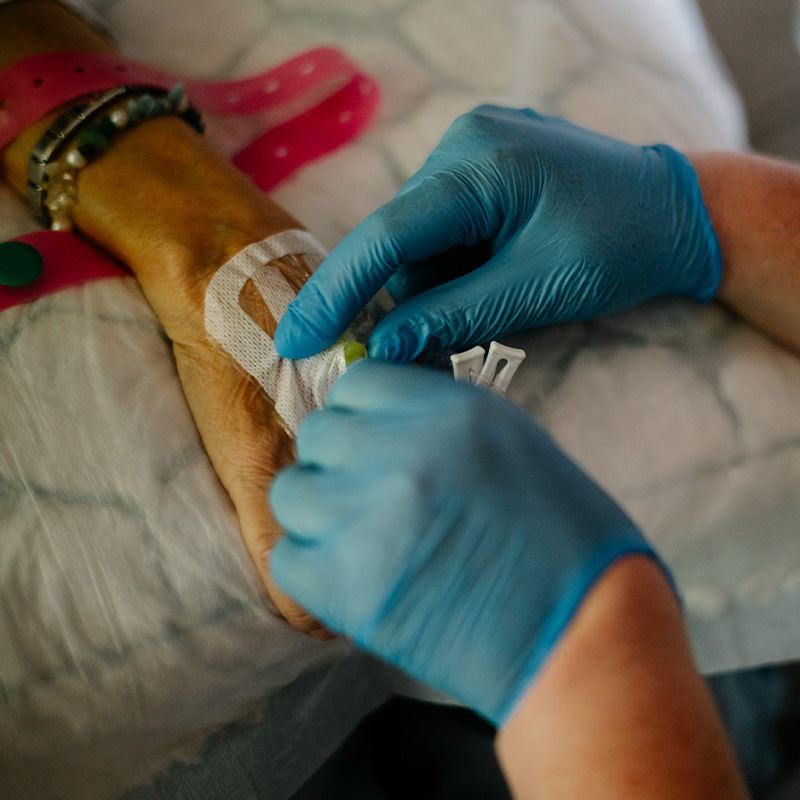
Some small bowel or early-stage cancers and non-cancerous polyps can be removed during a colonoscopy, preventing the need for more invasive surgery.
Molecular Testing:
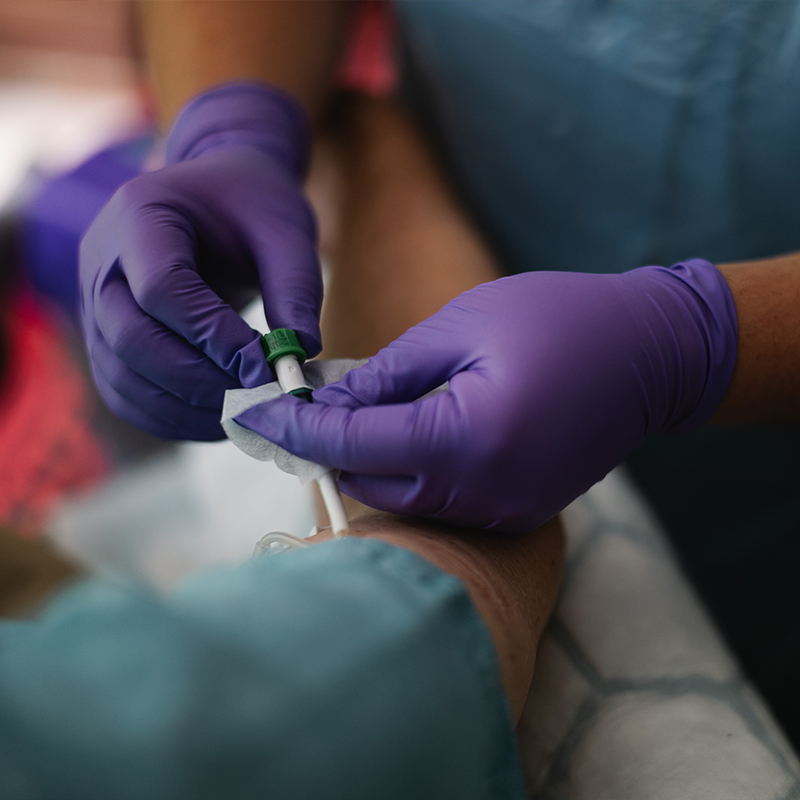
Advanced testing on the tissue may also be done if you have colon or rectal cancer, to guide targeted therapy or identify inherited medical conditions contributing to increased risk.
Additional tests for staging and diagnosis
Bowel cancer can spread to nearby lymph nodes and beyond, to surrounding tissue, the liver, or lungs. Additional tests for staging include:
- MRI: Excellent for rectal cancer, assessing the depth and involvement of the anal canal or nearby lymph glands.
- PET-CT: Useful if advanced or metastatic bowel cancer is suspected.
- Blood and DNA tests: These may include markers that help diagnose bowel cancer and monitor for recurrence.
- Genetic testing: For syndromes such as familial adenomatous polyposis or Lynch syndrome in those with a family history of bowel cancer or non-cancerous growths.
A specialist nurse or member of the cancer support services may help coordinate more tests, interpretation of findings, and next steps.

What to expect during the testing process
Supporting your bowel health journey
Bowel cancer screening, prompt response to symptoms, and discussions with your healthcare professional about risk factors can help spot bowel cancer early and provide access to effective, different treatments, including targeted therapy and palliative care as required. The goal for everyone, especially those at higher risk or with a family history of bowel cancer, is to catch changes early when a complete cure is more likely, or avoid progression from non-cancerous polyps to cancer.
Remember, early diagnosis achieved through regular use of a bowel screening kit and faecal immunochemical test can mean cancer is found before it spreads, ensuring better treatment options and quality of life. For most bowel cancers, screening is a vital part of health and care excellence, contributing to the well-being of people diagnosed with bowel, colon, and rectal cancer across the UK.
Whether you are invited to a screening through NHS England, seeking help for signs of bowel cancer, contacting the free helpline, or looking for support with a new test kit or home test kit, our specialist nurse and cancer support services are here to help. We understand that lifestyle changes, processed meat consumption, and other lifestyle factors play a role, so our team will also guide you on staying healthy, achieving a healthy weight, and making positive changes for your digestive system.
We know the benefits of cancer care at home
Our specialist cancer services ensure private medically insured and self-paying patients who want an alternative to hospital can start their treatment faster. We consider all cancer treatments, including those not currently available in hospitals.

Looking for more information?
We’ve worked with thousands of patients, and we know you’ll have a lot of questions.
If you’re ready to talk to us to discuss your options, fill out the form below and we’ll be in touch quickly.
If your enquiry is urgent please call 0345 2636 123 (England and Wales) or 0345 2636 135 (Northern Ireland and Scotland).
Your guide to bowel cancer treatment
A bowel cancer diagnosis can be overwhelming. Rest assured, you’re not alone, and there are many options for managing the condition and tailoring treatment to suit your individual needs.
Our guide is here to help you understand private bowel cancer treatment and the main treatment options available.