Your guide to lung cancer treatment
Navigating a lung cancer diagnosis or understanding early-stage lung cancer and advanced disease can be daunting.
This guide brings together key information about lung cancer and its development, helping you recognise symptoms, explore lung cancer screening and diagnostic tools, and consider your treatment options.
Essential resources for your lung cancer journey
We’ve developed four comprehensive guides to support you through every stage of lung cancer care:

Frequently asked questions about lung cancer
What is lung cancer?
Lung cancer starts when abnormal or malignant cells develop and multiply in one or both lungs, forming lung tumours within the lung tissue. These cancerous cells can create a primary tumour that interferes with the lungs’ essential function, supplying oxygen to the body. Most lung cancers fall into two main groups: non-small cell lung cancer (NSCLC), including squamous cell carcinoma, large cell carcinoma, and adenocarcinoma, and small cell lung cancer (SCLC). Small cell carcinoma tends to spread quickly and often requires different treatment approaches. Understanding which type you have is critical for your lung cancer staging and treatment pathway.
What are the symptoms of lung cancer?
The most common symptoms of lung cancer include:
- A persistent cough that doesn’t go away
- Changes in your voice (such as hoarseness)
- Shortness of breath or wheezing
- Unexplained weight loss
- Chest pain, shoulder pain, or discomfort in the chest cavity
- Ongoing fatigue or loss of energy
- Coughing up blood (haemoptysis)
- Bone pain (if the cancer spreads to the bones)
- Other symptoms like swelling in the neck and face, or new neurological symptoms from brain metastases
What causes lung cancer?
There are numerous risk factors involved in the development of lung cancer, including:
- Smoking tobacco or exposure to cigarette smoke
- Second-hand smoke, radon gas, asbestos, and air pollution
- Genetic predisposition and family history
- Diet and lifestyle
Understanding your risk helps with decisions about lung cancer screening and prevention.
What are the treatment options for lung cancer?
Lung cancer treatment is highly individualised based on your cancer type, stage, overall health, and preferences. Key lung cancer treatments include:
- Surgery: Removing the tumour and surrounding lung tissue, especially for early-stage lung cancer or when the cancer is still confined to the same lobe.
- Radiation therapy: Using high-energy beams, such as stereotactic body radiation therapy, to kill cancer cells while sparing healthy tissue.
- Chemotherapy: Targeting rapidly dividing cancer cells and malignant cells that may have spread to nearby lymph nodes or other organs.
- Targeted therapy: Specifically attacking cancer cells with unique changes, such as EGFR or ALK mutations, commonly managed through participation in clinical trials.
- Immunotherapy: Harnessing the body’s immune system to fight tumour cells, which can be particularly effective for some advanced lung cancers.
- Supportive/Palliative care: Aimed at managing symptoms, relieving pain, and supporting quality of life, especially in metastatic or advanced lung cancer.
How is lung cancer diagnosed?
- Imaging tests: Chest X-rays, CT scans, PET scans, and occasionally an MRI to detect lung tumours and assess for brain metastases.
- Tissue biopsies: Collecting a sample from the primary tumour or other suspicious sites using bronchoscopy, needle aspiration, or surgery for examination of cancerous cells.
- Other investigations: Blood tests, breathing tests, and molecular testing of tumour cells to guide targeted therapies and check for cancer spread to lymph nodes or distant organs.
How much does private lung cancer treatment cost?
Private lung cancer treatment in the UK covers a range of services and may provide faster access to consultations, advanced diagnostics, and novel treatments. Costs for lung cancer treatment vary according to your specific diagnosis, the type of cancer, stage, location, and whether you elect for treatment at home or in a private hospital. Typical expenses include:
- Initial consultations, imaging tests, and advanced molecular diagnostics
- Surgery, hospital stays, or outpatient procedures (like radiotherapy and chemotherapy)
- Medications, targeted therapies, and follow-up care
- Additional support services such as symptom management, rehabilitation, and 24/7 clinical support
Insurance coverage may help with expenses. For those self-funding, providers will offer clear cost structures.
Can you get lung cancer treatment at home?
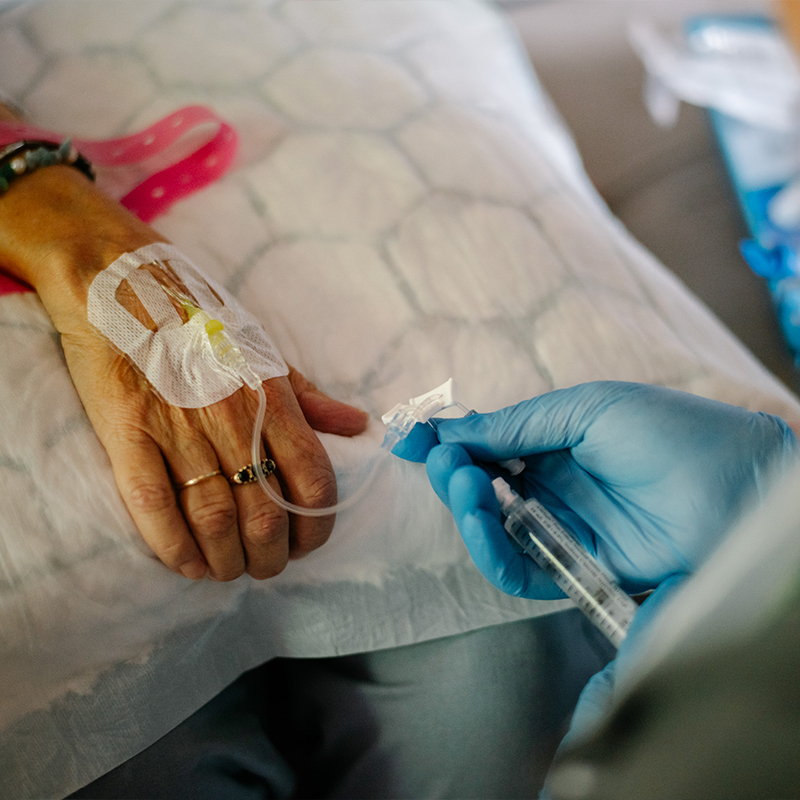
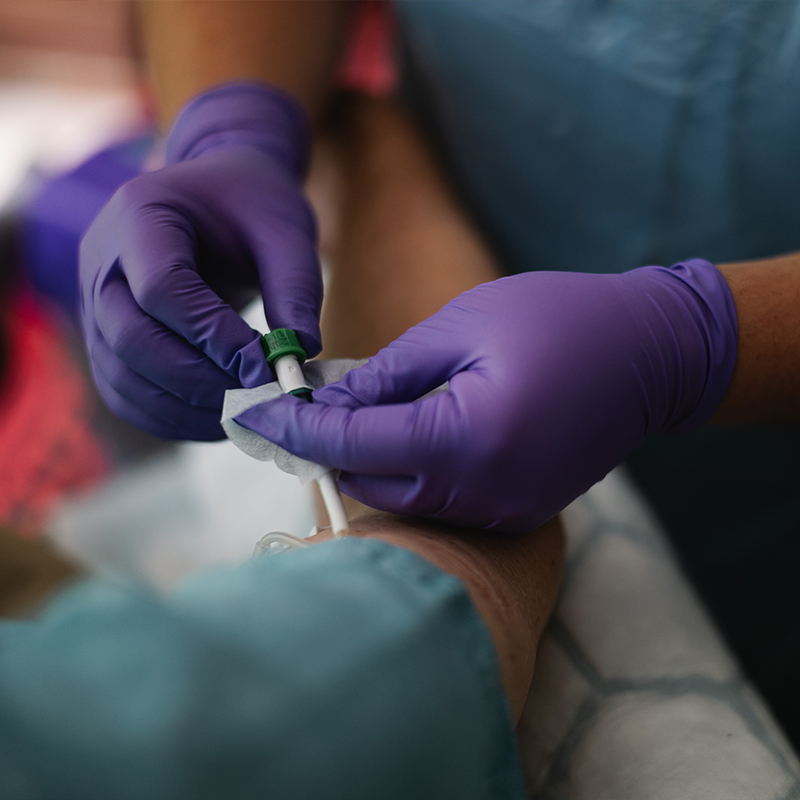
Yes, may include certain chemotherapies, immunotherapy infusions, and supportive medications (such as anti-nausea medicine or pain relief for managing symptoms). Our clinical teams provide home-based care that matches hospital standards, as nurses can visit to administer medications, monitor side effects, and manage any complications.
Advantages of home treatment include comfort, reduced exposure to hospital-acquired infections, reduced travel, more involvement from family members, and the ability to maintain your daily routine and independence. For those with advanced or metastatic lung cancer, home-based management is especially valuable for controlling symptoms, delivering palliative care, and improving quality of life.
Taking control of your lung cancer journey
Early detection, proactive risk reduction, and partnership with experienced chest physicians and oncology teams can help improve both quality of life and survival rates.
We’re here to guide you with expertise, empathy, and the assurance that every aspect of your care is built around your needs. If you’re thinking about at-home cancer care, exploring private treatment, considering enrolling in clinical trials, or want to know the best ways to prevent lung cancer or lower your risk of developing lung cancer, our clinical specialists are ready to support you.
For more information about how we can support your lung cancer care at home, or if you have questions about survival statistics, or the latest advancements reported by the World Health Organisation and National Cancer Institute, contact our dedicated clinical team.
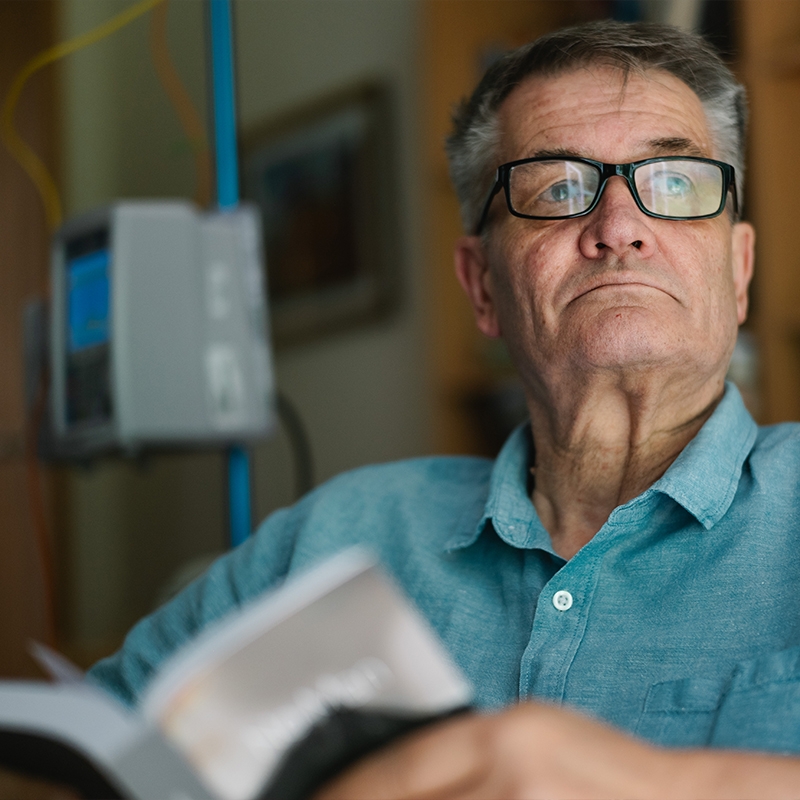
We know the benefits of cancer care at home
Our specialist cancer services ensure private medically insured and self-paying patients who want an alternative to hospital can start their treatment faster. We consider all cancer treatments, including those not currently available in hospitals.

Looking for more information?
We’ve worked with thousands of patients, and we know you’ll have a lot of questions.
If you’re ready to talk to us to discuss your options, fill out the form below and we’ll be in touch quickly.
If your enquiry is urgent please call 0345 2636 123 (England and Wales) or 0345 2636 135 (Northern Ireland and Scotland).