Understanding lung cancer testing and diagnosis
Whether you are attending a lung health check, participating in a targeted lung cancer screening programme, or experiencing symptoms of lung cancer, understanding the entire lung cancer diagnosis process helps reduce anxiety and empower you to make informed choices about your lung health.
By understanding the steps involved in lung cancer tests, screening and diagnosis, you can take an informed and proactive approach to your health.
The importance of early detection
Lung cancer screening, especially for those at high risk (including those with a significant smoking history or lung disease), can help find lung cancer early when it’s most treatable.
Screening tests such as a low-dose CT scan (LDCT scan) or lung health checks may be recommended by a healthcare professional for individuals at higher risk of developing lung cancer, such as long-term smokers or those with a family history of lung cancer. Regular participation in a screening programme and prompt attention to early signs, including a persistent cough, unexplained chest pain, or abnormalities on a screening test, can make a significant difference in outcomes.

Common symptoms of lung cancer
Recognising the symptoms of lung cancer may help with earlier diagnosis and more treatment options. The most common symptoms and early signs include:
- A persistent cough that doesn’t go away
- Coughing up blood or rust-coloured phlegm (sputum cytology may be used to investigate)
- Chest pain, which can worsen with deep breathing, coughing, or laughing
- Shortness of breath and wheezing
- Hoarseness or changes in voice
- Unexplained weight loss or loss of appetite
- Fatigue, weakness, or other symptoms like bone pain or shoulder pain (which may suggest cancer spread)
If you notice one or more of these symptoms, or if you’re part of a high-risk group for developing lung cancer (for example, due to lung conditions, cigarette smoke exposure, or family history), consult a health professional or chest physician for further assessment and possibly a targeted lung cancer screening.
Comprehensive diagnostic testing
The process of diagnosing lung cancer relies on a range of advanced tools, designed both to confirm disease and to determine whether it is small cell lung cancer or non-small cell lung cancer, as well as the cancer’s stage. Diagnostic tests help identify cancer cells in lung tissue, distinguish between normal cells and malignant cells, and clarify how best to treat lung cancer.
Imaging Tests for Lung Cancer
Imaging tests form the first step in most lung cancer screening pathways, producing a detailed picture of the lungs and identifying suspicious lung nodules or tumours.
Chest X-ray
A chest X-ray is often the very first imaging test performed if lung cancer symptoms are present, or as part of a lung cancer screening test. It can highlight potential lung cancers, but it may miss smaller tumours and is not always conclusive.
CT Scan
CT scans are more sensitive and provide cross-sectional images, allowing healthcare professionals to detect lung cancer nodules, assess tumour size, and determine if cancer has spread to lymph nodes or elsewhere in the chest cavity. Low dose CT scans are increasingly used for lung cancer screening, particularly for high risk patients as part of a targeted lung screening programme.
PET Scan (Positron Emission Tomography)
A positron emission tomography (PET) scan can identify areas of increased metabolic activity, which might indicate lung cancer cells. It’s especially useful for distinguishing active tumour tissue from normal or scarred lung tissue and identifying cancer spread.
Magnetic Resonance Imaging (MRI), Bone Scan, and Further Tests
MRI scans may be used to investigate suspected brain metastases or involvement of the spinal cord, while a bone scan can help determine if cancer spread has reached the bones. Imaging tests provide a complete overview for staging and diagnosis.
Lung cancer screening for high-risk individuals
Lung cancer screening is most beneficial for those considered high risk, especially individuals with a history of smoking tobacco or known genetic risk factors. Targeted lung cancer screening (often via low-dose CT scan) is supported by the American Cancer Society and National Comprehensive Cancer Network, and is integral to the UK National Screening Committee guidance.
Lung health checks and targeted lung screening programmes focus on finding early-stage lung cancers before symptoms appear. If you meet the criteria (for example, previous smoking, lung disease, or family history), your healthcare provider can advise whether you should join a lung cancer screening programme or undergo a screening scan.

Tissue testing for lung cancer
Once imaging tests or screening scans identify abnormal areas, tissue sampling becomes crucial to diagnose lung cancer definitively and to plan treatment options.
Needle biopsy (fine needle aspiration)
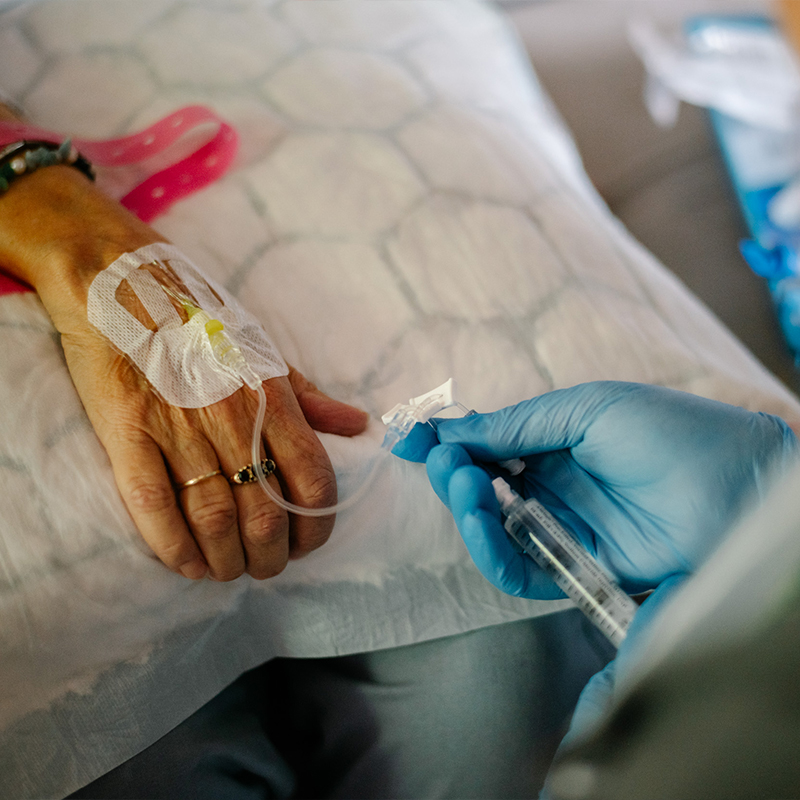
A needle biopsy (or fine needle aspiration) uses imaging guidance to target a suspicious area and remove a tissue sample. The tissue sample is then analysed in a laboratory to identify cancer cells and determine the exact type of lung cancer.

Bronchoscopy
Bronchoscopy allows chest physicians to directly visualise the airways, collect lung tissue for biopsy, or sample lung nodules. Sometimes, a liquid biopsy may be performed to detect cancer genetic material circulating in the blood.

Thoracentesis
If there is fluid around the lungs (pleural effusion), thoracentesis is performed to extract fluid and test for cancer cells. Sputum cytology may also be requested for further assessment.
Additional tests for staging and diagnosis
Staging is performed after a lung cancer diagnosis is confirmed. Staging tests identify whether the cancer has spread to nearby lymph nodes or distant organs. Accurate staging (clinical trial evidence supports multi-modal approaches) helps plan the most effective cancer treatment.
- Mediastinoscopy allows for the sampling of mediastinal lymph nodes and helps determine whether additional treatments are needed.
- Blood tests are performed to assess overall health and identify any effects on other organs.
- Bone scans, PET scans, and MRIs are often used when there’s suspicion of cancer spread beyond the lung.
What to expect during the testing process
Preparing for tests
Being well-prepared for your lung cancer tests and screening can make the process more comfortable. Here are some practical tips:
- Stay informed: Ask your health professional about the screening test or diagnostic procedure, including whether you’ll have a CT scan, PET scan, or need a tissue biopsy.
- Follow instructions: Some tests require fasting or stopping certain medications; your healthcare professional will provide clear instructions in advance.
- Bring support: Consider bringing someone with you for support and to help remember important details during your visits.
- Ask questions: Understanding why each screening test is recommended and what it aims to find can help reduce anxiety.
Understanding your results
Results for imaging tests such as CT scans or chest X-rays may be available within a few days. Biopsy and tissue sample results may take longer.
If lung cancer is diagnosed, your doctor will clarify whether it is small cell lung cancer, non-small cell lung cancer, or another subtype and help you understand your risk and the best options for treating or removing lung cancer.
Looking for more information?
We’ve worked with thousands of patients, and we know you’ll have a lot of questions.
If you’re ready to talk to us to discuss your options, fill out the form below and we’ll be in touch quickly.
If your enquiry is urgent please call 0345 2636 123 (England and Wales) or 0345 2636 135 (Northern Ireland and Scotland).
We know the benefits of cancer care at home
Our specialist cancer services ensure private medically insured and self-paying patients who want an alternative to hospital can start their treatment faster. We consider all cancer treatments, including those not currently available in hospitals.

Your guide to lung cancer treatment
Navigating a lung cancer diagnosis or understanding early-stage lung cancer and advanced disease can be daunting.
This guide brings together key information about lung cancer and its development, helping you recognise symptoms, explore lung cancer screening and diagnostic tools, and consider your treatment options.