Understanding kidney cancer treatment
A kidney cancer diagnosis can feel overwhelming, but understanding your treatment options helps you take control of your care journey. Modern treatment for kidney cancer has evolved significantly, offering more personalised and effective approaches that are tailored to your specific needs, helping you maintain kidney function and your quality of life.
This guide will take you through the various kidney cancer treatments available today, from surgery to ablation, targeted therapy drugs, immunotherapy, and radiation therapy.
Understanding your kidney cancer diagnosis
When you receive a kidney cancer diagnosis, your specialist will determine the best treatment for your individual situation.
The type of kidney cancer you have greatly influences your treatment options. The most common treatment is for renal cell carcinoma (RCC), but other types of kidney cancer, such as papillary renal cell cancer, chromophobe, and rare types like Wilms tumour and transitional cell carcinoma, may require different approaches.
Kidney cancer risk factors, like family history, von Hippel-Lindau disease, high blood pressure (called hypertension), and chronic kidney disease, may influence your treatment plan and overall kidney cancer prognosis.
Surgery: The foundation of kidney cancer treatment
Surgery to remove the kidney tumour remains the main treatment for most kidney cancer cases, especially when the cancer is in early stages and has not spread to distant lymph nodes, the adrenal gland, or other parts of the body.
Partial nephrectomy
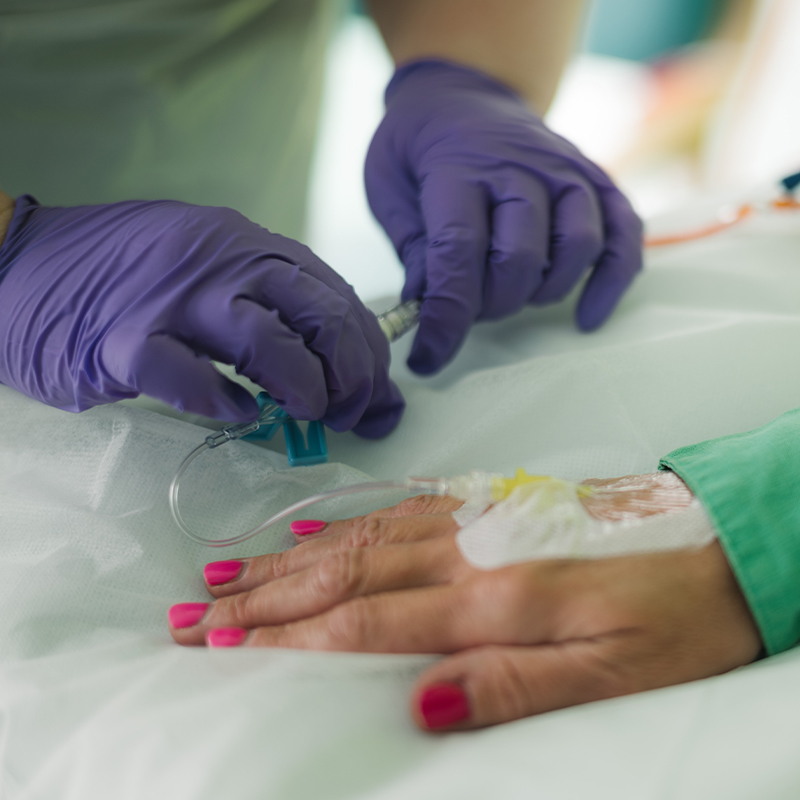
A partial nephrectomy, or kidney-sparing surgery, is often performed to treat small kidney tumours (usually less than 7cm). Only the abnormal growth and a rim of healthy tissue are removed, preserving as much of the remaining kidney and healthy cells as possible. This approach maintains kidney function.
Radical nephrectomy
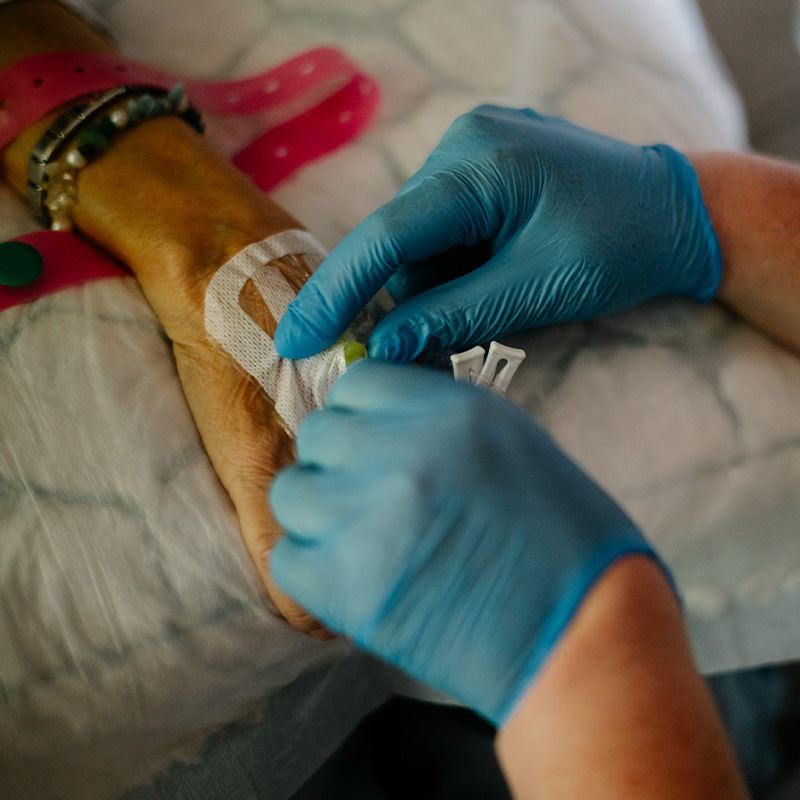
A radical nephrectomy involves removing the entire kidney, the surrounding fatty tissue, often the adrenal gland, and sometimes the renal vein, blood vessels, and nearby lymph nodes if cancer spread is suspected. Your other kidney (the remaining kidney) usually takes over the function of the whole kidney after surgery, and blood tests will monitor kidney function afterwards. Surgery can be performed using minimally invasive laparoscopic surgery or, in some cases, as open surgery, depending on the kidney mass size, location, and other risk factors.
Lymph node surgery
During surgery, your specialist surgeon may remove nearby lymph nodes if imaging tests or a physical exam suggest cancer spread. Pathology will check for the presence of cancer cells in the lymph nodes.
Ablation therapies: A less invasive option
For certain patients, especially those who are not candidates for surgery due to general health or body weight, ablation therapies may be recommended as an effective way to destroy cancer cells within a kidney tumour without removing the whole kidney. These are common treatment methods for small kidney cancer or noncancerous kidney tumours.
Cryoablation
Cryoablation, sometimes referred to as cold gas therapy, uses extreme cold to freeze and kill cancer cells. During this procedure, a probe is inserted directly into the tumour under imaging guidance (such as a CT scan or an ultrasound scan). The tumour is engulfed by an ice ball, and the cancer cells are destroyed. Cryoablation is most effective for smaller renal cell cancers and offers a shorter recovery time compared to major surgery.
Radiofrequency ablation (RFA)
Radiofrequency ablation uses high-energy waves to heat and destroy cancer cells in small kidney cancers. It’s performed by inserting a probe into the tumour and applying energy to kill cancer cells.
Targeted therapy: Precision medicine for advanced cancer
Targeted therapy drugs are a cornerstone of treatment for advanced kidney cancer or when cancer has spread to other parts of the body, or nearby or distant lymph nodes. These therapies interfere with specific pathways used by kidney cancer cells to grow, divide, or develop a blood supply (angiogenesis), and often come with a more manageable side effect profile than traditional cancer drugs.
How Targeted Therapy Works
Blocking the blood supply to the tumour by using tyrosine kinase inhibitors (TKIs), can effectively treat kidney cancer. Commonly used drugs work by interfering with proteins in cancer cells and blood vessels, starving the tumour of what it needs to grow.
Targeted therapy drugs such as sunitinib, pazopanib, axitinib, or cabozantinib are generally taken as tablets and are chosen based on the type of kidney cancer and patient preference. Clinical trials are continuously evaluating new treatments to improve outcomes.
Managing side effects
Targeted therapies may cause side effects such as high blood pressure, diarrhoea, or fatigue. Your kidney cancer treatment team will help you manage these issues.
Immunotherapy: Harnessing your immune system
Immunotherapy drugs are a major advance in the treatment of kidney cancer, especially for advanced or metastatic cancers. They help the immune system identify and attack cancer cells, often providing lasting benefits for people with renal cell carcinoma.
How immunotherapy works
Immunotherapy drugs, such as checkpoint inhibitors, block proteins that “turn off” the immune system. When these are blocked, your immune system can find and destroy cancer cells. Drugs like nivolumab, pembrolizumab, or ipilimumab are now established as part of initial treatment and used in combination with other therapies.
Long-term benefits
Some patients experience a durable response, where their advanced kidney cancer is controlled for long periods, even after stopping treatment. Your cancer specialist will monitor your response and check kidney function to ensure your overall health throughout your treatment plan.

Radiation therapy: For symptom control
Radiation therapy, especially stereotactic body radiation therapy (SBRT), is not a common treatment for the main kidney tumour, as most kidney cancers are less sensitive to radiation than other abdominal cancers. However, it is very important as palliative therapy, helping to relieve pain or control symptoms if the cancer has spread to bones, the brain, or other body tissues.
Advanced and metastatic kidney cancer treatment
When kidney cancer has spread beyond the affected kidney to other parts of the body or distant lymph nodes, systemic therapies like targeted therapy and immunotherapy become the main cancer treatments.
Systemic treatment approaches
Advanced kidney cancer often requires several lines of cancer treatment to manage cancer cells throughout the body. If cancer starts to grow after one treatment, there are often other treatments available.
Personalised treatment planning
Your treatment for kidney cancer will be tailored to you, considering your overall health, stage of cancer (including stage III disease and above), the type of kidney cancer, any high-risk or certain risk factors, and your treatment goals.
Treatment at home: Bringing cancer care to you
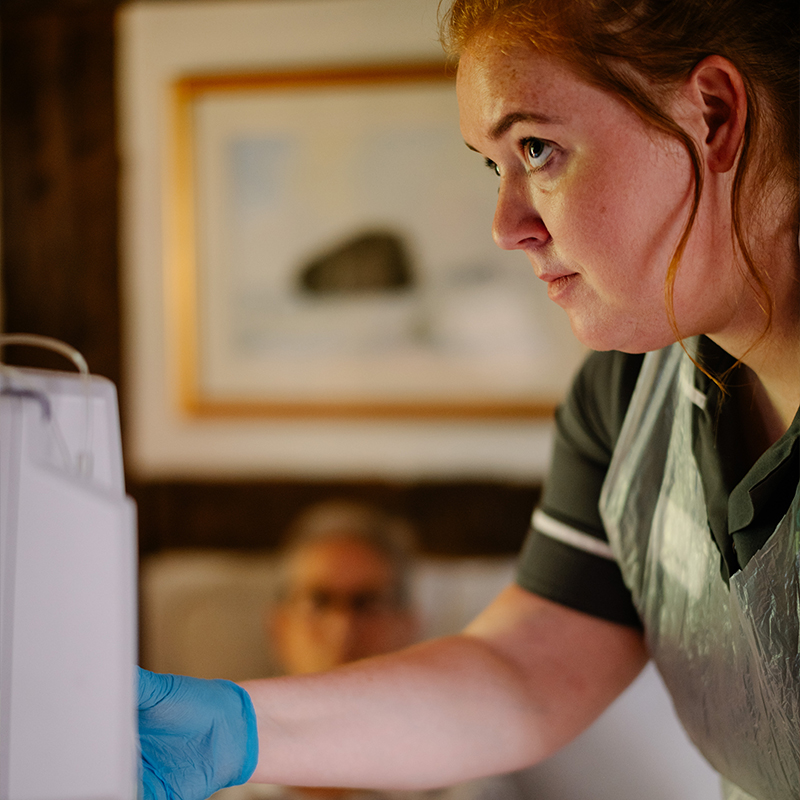
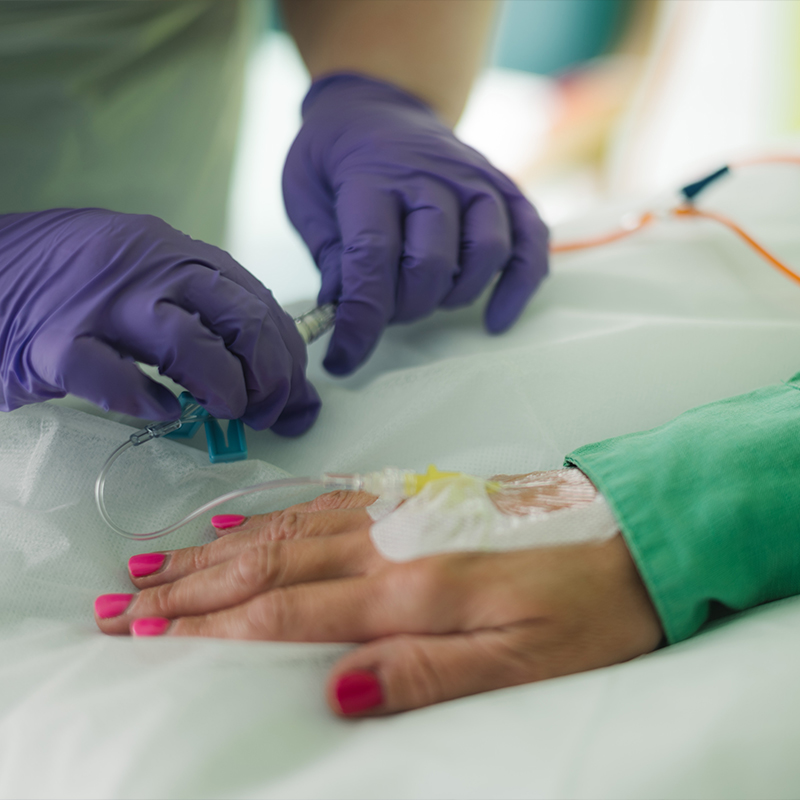
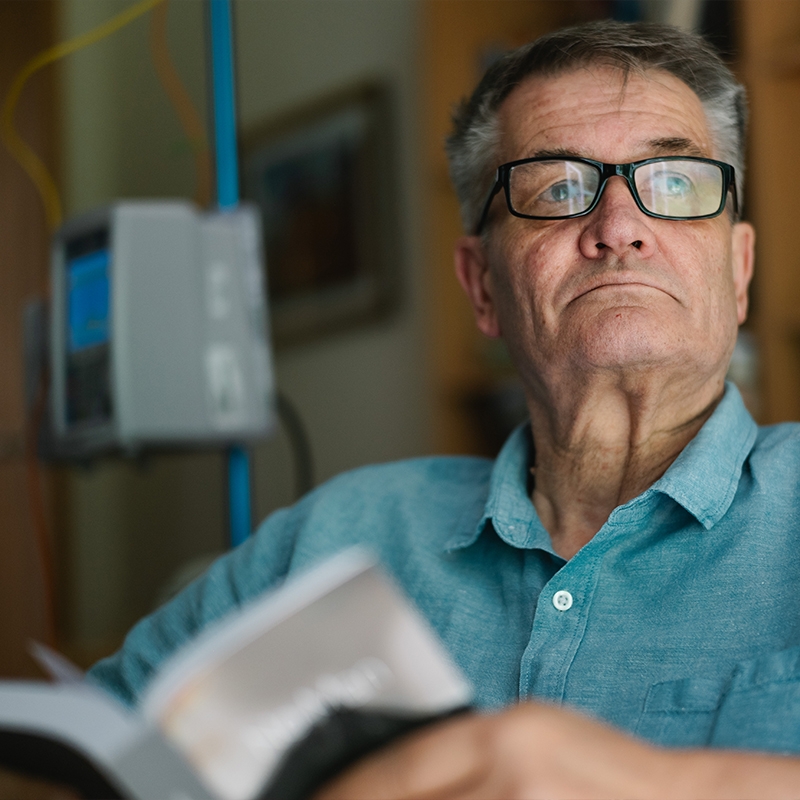
Many kidney cancer treatments, including some targeted therapies and supportive care, can be delivered in your own home. This approach reduces disruption, maintains your routine, and helps you feel more in control. Specialist nurses may visit to provide medicines, monitor blood pressure and blood cells, or manage symptoms. The comfort, convenience, and continuity of home-based treatment can be invaluable during cancer treatment.
Supporting your treatment journey
Managing side effects, emotional well-being, and maintaining a healthy lifestyle, including a healthy diet and healthy weight, form part of your holistic treatment plan. Your team is here to support you with advice on nutrition, activity, and psychological care, helping you navigate every step from initial treatment to recovery and long-term follow-up.
We know the benefits of cancer care at home
Our specialist cancer services ensure private medically insured and self-paying patients who want an alternative to hospital can start their treatment faster. We consider all cancer treatments, including those not currently available in hospitals.

Looking for more information?
We’ve worked with thousands of patients, and we know you’ll have a lot of questions.
If you’re ready to talk to us to discuss your options, fill out the form below and we’ll be in touch quickly.
If your enquiry is urgent please call 0345 2636 123 (England and Wales) or 0345 2636 135 (Northern Ireland and Scotland).
Your guide to kidney cancer treatment
A kidney cancer diagnosis can be overwhelming. Rest assured, you’re not alone, and there are many options for managing the condition and tailoring treatment to suit your individual needs.
Our guide is here to help you understand private kidney cancer treatment and the main treatment options available.