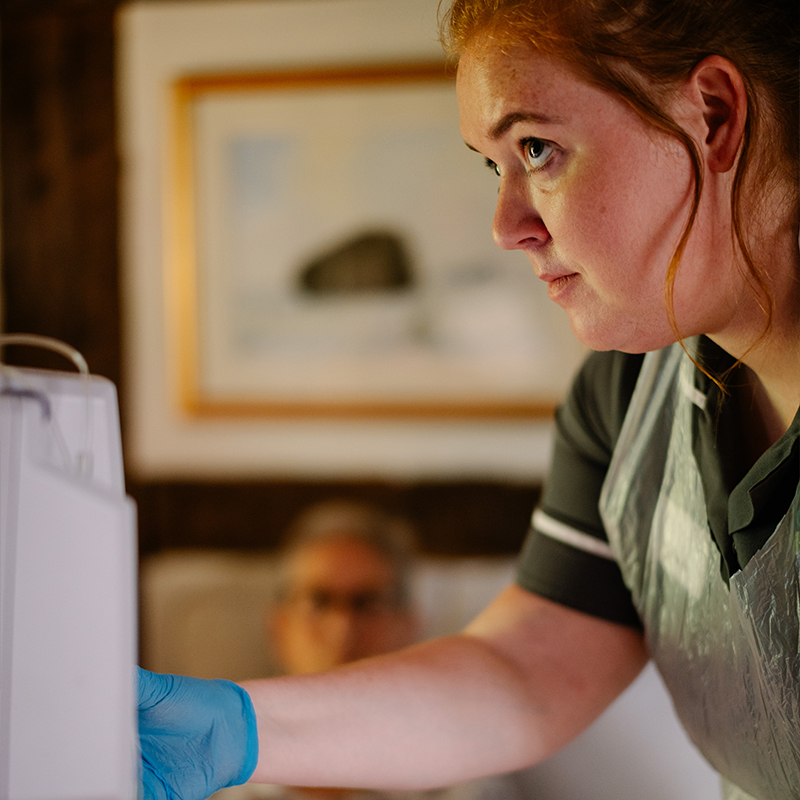
Many people are exploring private kidney cancer treatment to offer greater control, flexibility, and potentially faster access to specialist consultants, diagnostic tests, surgery, and therapies.
From your initial consultation to ongoing support, private care can deliver personalised care with services often tailored for symptoms, pain, and follow-up. Private health insurance, sometimes called private medical insurance, may cover all or part of your cancer treatment costs, or you might choose self-funding through a self-pay arrangement.
Understanding the cost of private kidney cancer treatment allows you to consider benefits, compare private hospital prices, and plan with prior notice.
What influences private kidney cancer treatment costs
The cost of private kidney cancer treatment varies based on several key risk factors that directly affect your treatment plan and service. Whether you need standard procedures or specific tests, understanding the elements that influence price helps you prepare financially.
Type and stage of kidney cancer
Your cancer’s stage, whether it’s early or advanced, the size of your tumour, and whether cancer cells or cancer has spread beyond the kidney area or to lymph nodes, all impact the cost. For example, treating early detected, localised kidney cancer may be less complex than managing metastatic renal cancer, where treatments could include keyhole surgery, targeted therapies, immunotherapy, or radiotherapy.
Treatment approach and duration
Your personalised care plan may include private or NHS surgery or, targeted therapy, immunotherapy, radiotherapy, ablation (such as radiofrequency ablation), or active surveillance for small, indolent tumours. Each treatment type and the duration involved influence overall cost.
Some treatments are suitable for delivery at home – others require hospital-based procedures under a specialist consultant or surgeon.
Hospital location and facilities
Private hospital prices can differ based on geography, particularly between London, other UK regions, and Northern Ireland.
Many facilities offer single rooms, flexible appointments, and the support of a specialist nurse or cancer specialist throughout your stay. The reputation and expertise of the consultant, the availability of specific technology, and the overall hospital environment influence costs and benefits.
Insurance coverage and payment options
Whether you are self-funding or using private health insurance, understanding available coverage of policies is vital. Health insurance may cover consultations, tests, scans, procedures, and medications, relieving much of the cost burden. Some policies require GP referral before booking appointments or specialist consultancy.
Self-pay is viable for those without insurance, offering access to private healthcare and the ability to spread payments for high-value diagnostics, keyhole or traditional surgery, and medication. Detailed cost breakdowns are provided before treatment, including prior notice of any changes or additional fees.
Breakdown of private kidney cancer treatment costs
Treatment in the UK involves multiple services and stages, including initial assessment, diagnosis, treatment, and aftercare, with each step contributing to the overall cost.
Initial consultations and diagnostic tests
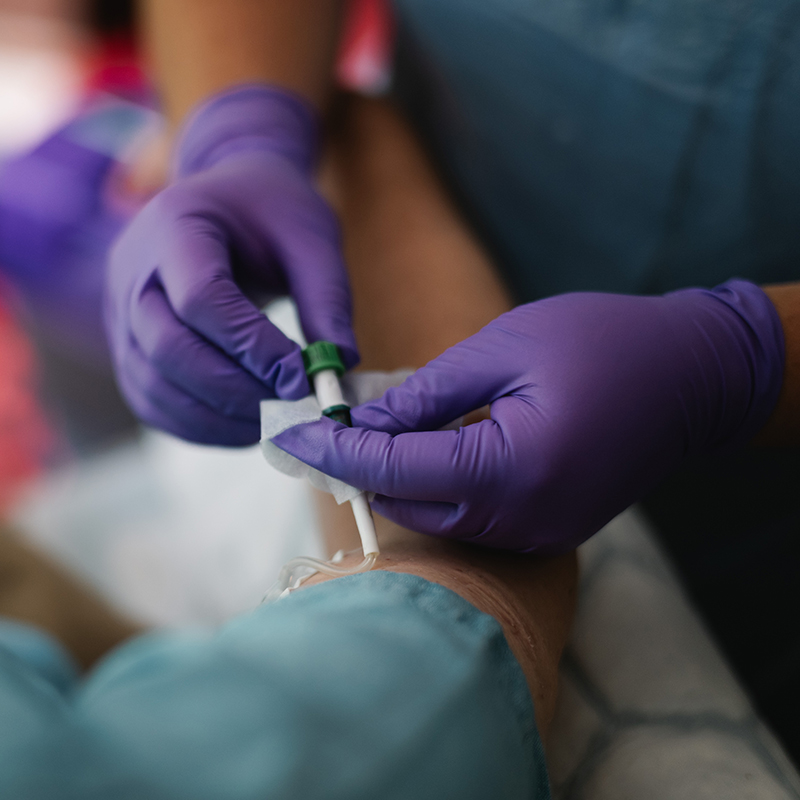
Your journey generally begins with an initial consultation with a urologist, oncologist, or surgeon. This sets up diagnostics, including blood and urine tests, imaging (ultrasound, CT scan, MRI), and biopsy if needed. Some private hospitals offer comprehensive diagnostics packages that may include blood counts, markers for kidney function, and specialist imaging.
Surgical procedures
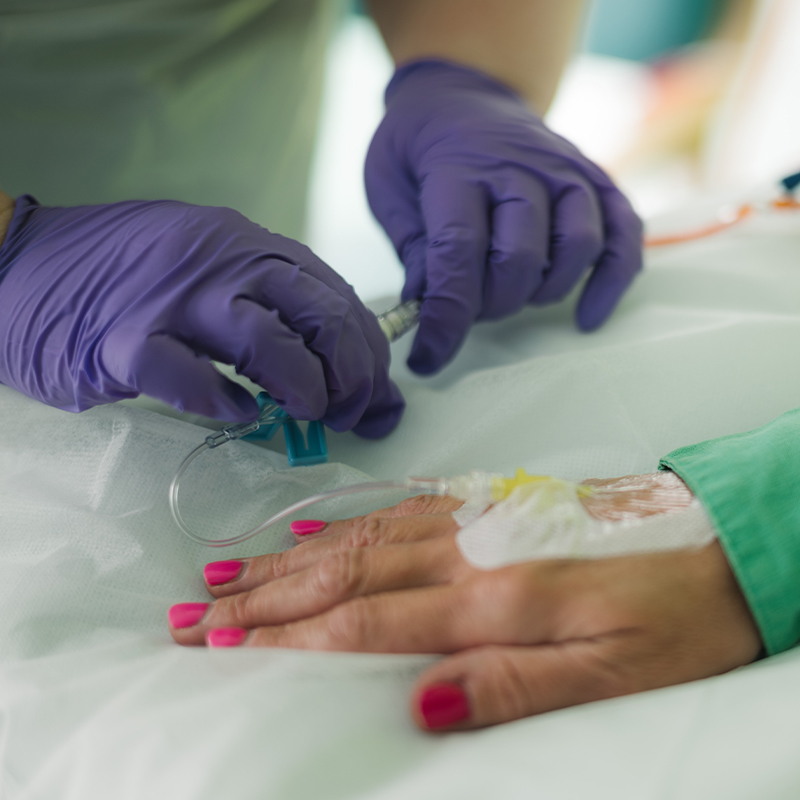
Private kidney surgery, like partial or radical nephrectomy, can be performed using open or keyhole techniques. Your surgeon will decide the best procedure, considering tumour type, location, size, and whether to remove the whole kidney or treat only the affected area.
Medical treatments and therapies
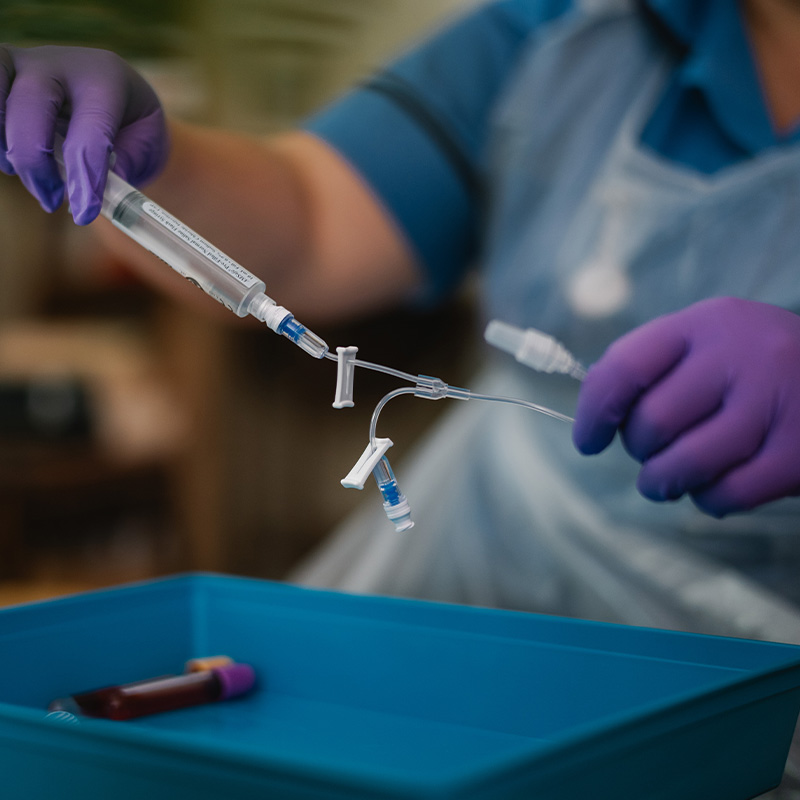
Advanced or metastatic renal cancer may be managed with targeted therapy, immunotherapy, or in some cases, hormone therapy. The type and duration of these treatments, the requirement for additional blood tests or scans, and whether they are performed in a hospital or at home, will impact the overall private treatment cost.
The home treatment advantage: a cost effective alternative
Many UK private patients benefit from at-home treatments, with nurse visits for medication, infusions, or monitoring. Home care can improve quality of life, reduce travel, allow family participation, and minimise risks of infection, all while receiving evidence-based cancer treatment in a safer, more comfortable environment.
Clinical Excellence at Home
Home based services offer clinical standards on par with hospitals, often coordinated by a multi-disciplinary team. You’ll have access to support 24/7, be able to contact the clinical team in case of concerns and receive regular monitoring and communication about your treatment plan and progress.
Insurance coverage and payment options
Private medical insurance remains a key payment option and often provides extensive coverage for initial consultation, diagnostic tests, private hospital stays, surgery, ongoing treatments, and follow-up care. It’s important to contact your health insurance provider early for details, clarify what’s covered, discuss authorisation, and understand annual limits, exclusions, or the need for a GP referral.
Self-pay or self-funding allows you to access private care or combine it with NHS treatments, especially if certain procedures or drugs are unavailable through public health services. Many providers offer flexible packages, payment plans, and clear service estimates.
Combining NHS and private care
You can choose to combine NHS and private care in the UK. For example, you might initially seek a second opinion from a specialist in private practice or schedule rapid diagnostics privately, then continue standard care or follow up on the NHS. Alternatively, you could opt for private medicine, treatment options, or drugs not available on the NHS and integrate them with your core cancer treatment plan.
We know the benefits of cancer care at home
Our specialist cancer services ensure private medically insured and self-paying patients who want an alternative to hospital can start their treatment faster. We consider all cancer treatments, including those not currently available in hospitals.

Looking for more information?
We’ve worked with thousands of patients, and we know you’ll have a lot of questions.
If you’re ready to talk to us to discuss your options, fill out the form below and we’ll be in touch quickly.
If your enquiry is urgent please call 0345 2636 123 (England and Wales) or 0345 2636 135 (Northern Ireland and Scotland).
Your guide to kidney cancer treatment
A kidney cancer diagnosis can be overwhelming. Rest assured, you’re not alone, and there are many options for managing the condition and tailoring treatment to suit your individual needs.
Our guide is here to help you understand private kidney cancer treatment and the main treatment options available.