Understanding bowel cancer treatment
This guide will walk you through the treatment options available today for bowel cancer, including approaches for colon cancer, rectal cancer, and colorectal cancer, and explain different treatments from surgery and chemotherapy to targeted therapy drugs, immunotherapy, and innovative home care solutions. We’ll explain what to expect at each stage and how your healthcare professionals work collaboratively to design a treatment plan aimed at achieving the best possible outcomes, whether that means eliminating cancer cells, managing symptoms, or improving your overall quality of life and bowel function.
For nearly 30 years, we’ve pioneered health and care excellence, providing access to clinical therapies outside of the hospital, in patients’ homes and communities. Every day, we’re helping most patients live independently and take control of their lives during cancer treatment.
Get in touch with our team today or download our brochure to find out more.
Stage of cancer
The stage of bowel cancer describes whether the cancer has spread beyond the original site. Advanced imaging, such as CT scans and MRI helps your healthcare professionals determine if you have early-stage cancer or advanced bowel cancer, which may involve nearby lymph nodes, surrounding tissue, or distant organs. If the cancer has spread, it’s called metastatic cancer.
- Stage I: Cancer confined to the bowel wall, potentially suitable for local excision or endoscopic mucosal resection; this is often considered a very early stage that may allow for a complete cure without major surgery.
- Stage II: Cancer has grown through the bowel wall but not to nearby lymph nodes or distant sites.
- Stage III: Cancer spreads to lymph nodes but not distant organs.
- Stage IV: Indicates metastatic bowel cancer, where cancer spreads to other organs such as the liver or lungs.
Determining whether there are affected lymph nodes or if the cancer has spread to nearby organs is critical for guiding the main treatment options and whether to recommend adjuvant chemotherapy, palliative care, or a combination of modalities.

Understanding your bowel cancer diagnosis
When you are diagnosed with bowel cancer, whether through screening programmes, diagnostic imaging, or tissue samples from a colonoscopy, your healthcare team assesses several key factors to determine how to treat bowel cancer most effectively.
Cancer type and location
Bowel cancer primarily occurs in two main areas:
Colon cancer develops in the large bowel (colon) and represents the majority of bowel cancer cases. Colon cancer surgery may be recommended, depending on the location within the colon, right-sided, left-sided, or sigmoid, which influences both your diagnosis and surgical approach.
Rectal cancer affects the rectum, the final portion of the large bowel. Treating rectal cancer, especially early-stage rectal cancer, often requires a combination of rectal cancer surgery and radiation therapy. The proximity to the anal canal and abdominal wall sometimes makes surgical techniques more complex.
Most bowel cancers are adenocarcinomas, which develop from the glandular cells lining the bowel. Less common types include squamous cell carcinoma, neuroendocrine tumours, and lymphomas, each requiring different treatments based on diagnosis and behaviour.
Molecular testing and biomarkers
Your care team may perform molecular testing with tissue samples to assess features of your cancer cells, such as epidermal growth factor receptors (EGFR), KRAS, or BRAF mutations, which inform targeted therapy and immunotherapy drug selection. This is particularly important in advanced cancer or metastatic cases, tailoring treatment for bowel cancer more precisely to the behaviour of your cancer.
Clinical trials, supported by the National Cancer Institute and leading research groups, offer access to new therapies, especially for people with metastatic bowel cancer or those with cancer coming back after previous treatment.

Surgery for bowel cancer
Treatment for bowel cancer may involve bowel surgery to remove the bowel cancer, often along with surrounding healthy tissue and lymph nodes. The aim is to destroy all the cancer or, in the case of advanced or recurrent cancer, relieve symptoms and improve quality of life.
Types of bowel cancer surgery
- Colectomy: Surgical removal of a segment of the large bowel (colon) for colon cancer, using either open or keyhole surgery (laparoscopic).
- Right or left hemicolectomy: Removes part of the colon depending on cancer location.
- Sigmoid colectomy: For cancers located in the sigmoid colon.
- Rectal cancer surgery: May be more extensive, involving low anterior resection, abdominoperineal resection, or transanal excision for early-stage rectal cancer.
In some cases, a temporary or permanent stoma may be needed to allow the bowel to heal properly. Specialist nurses and your treatment team provide support and advice on living with a stoma. Sometimes surgery can also remove limited metastatic cancer deposits, offering the chance of long-term survival or a complete cure even when cancer has spread.
Chemotherapy for bowel cancer
Chemotherapy treatment is used to kill cancer cells or to destroy cancer cells that may remain after surgery. Chemotherapy drugs are used to treat both colon and rectal cancer and are especially important in advanced bowel cancer, stage III disease with affected lymph nodes, or metastatic sites. Chemotherapy can also relieve symptoms in some advanced cases.
Types and role of chemotherapy
- Adjuvant chemotherapy: Given after surgery to reduce the risk of cancer coming back and to treat any remaining microscopic disease (called adjuvant chemotherapy).
- Neoadjuvant chemotherapy: Used before colon or rectal cancer surgery to shrink larger tumours.
- Palliative chemotherapy: Treats advanced or metastatic cancer to relieve symptoms and improve quality of life.
Typical regimens include combinations of 5-fluorouracil, capecitabine, oxaliplatin, and irinotecan, sometimes alongside targeted therapy drugs or monoclonal antibodies based on molecular testing results. The treatment plan is tailored to your cancer type, general health, and how well you tolerate the drugs.
Managing potential side effects, such as low blood counts, fatigue, or increased risk of blood clots, is a critical part of chemotherapy. Healthcare professionals monitor normal cells and healthy tissue closely throughout chemotherapy cycles.
Targeted therapy
Targeted therapy is used to treat colon cancer, rectal cancer, and colorectal cancer cases with certain genetic features. These therapies, such as monoclonal antibodies targeting EGFR or VEGF pathways, deliver anti-cancer effects by interfering with the growth signals in cancer cells.
- Epidermal growth factor receptor (EGFR) inhibitors: Used for cancers without KRAS mutations.
- VEGF inhibitors: Reduce blood flow to tumours.
- Other targeted therapy drugs: Emerging drugs continue to be investigated in clinical trials for patients who have exhausted standard treatment options.
Targeted therapy often causes fewer side effects than chemotherapy as it focuses on cancer cells with less impact on normal cells.
Immunotherapy
Immunotherapy drugs enhance your immune system’s ability to detect and destroy cancer cells, primarily in patients with certain molecular markers (like MSI-high status) or advanced bowel cancer that doesn’t respond to standard treatments. Clinical trials continue to improve the evidence for immunotherapy in the management of colon or rectal cancer and metastatic disease.
Radiation therapy
Radiation therapy, commonly provided by a radiation oncologist, is integral for rectal cancer, especially early-stage rectal cancer or when the cancer is close to the anal canal or abdominal wall. It may be given before surgery (neoadjuvant) to shrink tumours or after surgery to reduce recurrence. Radiation therapy can also be used to relieve symptoms in advanced cancer or treat metastatic cancer in bones or other sites.
Other bowel cancer treatments
Some patients benefit from different treatments that may include:
- Endoscopic mucosal resection: Minimally invasive removal of very early-stage bowel cancers or polyps found on tissue samples.
- Ablative therapies or local excision: Used to treat confined tumours or relieve blockage (bowel obstruction).
- Pain relief and palliative care: Focus on controlling symptoms when a cure isn’t possible.
- Major surgery: Sometimes required for advanced cancer, bowel obstruction, or when cancer spreads to nearby organs or the abdominal wall.
Home-based cancer treatment options
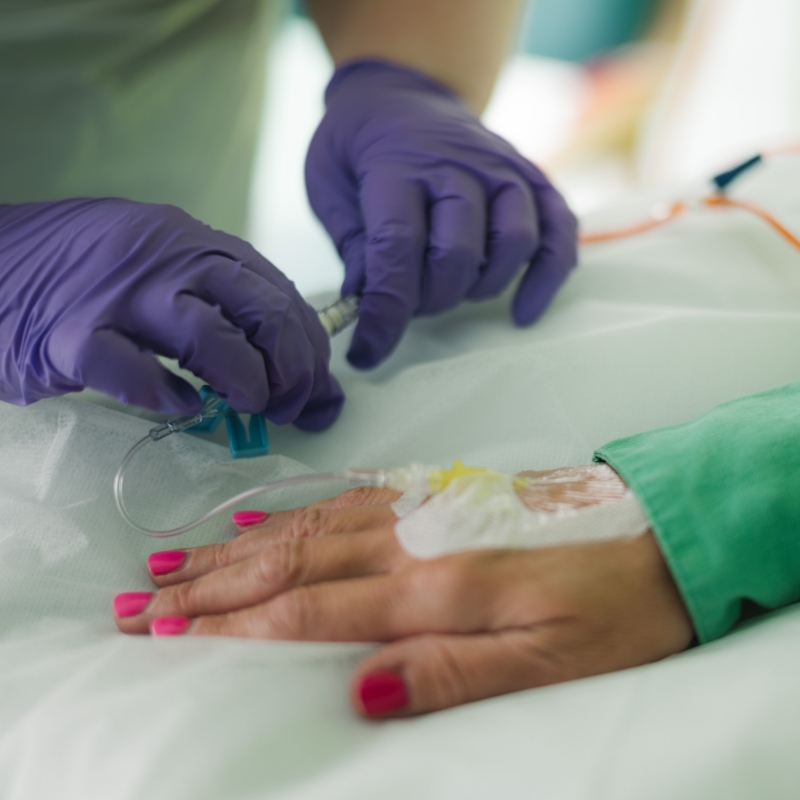
Receiving cancer treatment at home is becoming increasingly common. Chemotherapy, targeted therapy, symptom control and pain relief can be delivered in your own home, supervised by your clinical or specialist nurse team. Home-based care offers continuity, reduces travel, and allows support from your family in familiar surroundings. All treatments are tailored by your treatment team and coordinated with your health care team to maintain safety and clinical standards.
Comprehensive support for your treatment journey
Many factors affect your care, from general health to the effect of treatments on bowel habits, the immune system, blood clots, or healthy lifestyle considerations. You may need support with issues like bowel obstruction, abdominal pain, or effects on your sex life. The team helps you manage all aspects, aiming for health and care excellence at every step. Clinical trials and research led by the National Cancer Institute and health authorities may offer access to new approaches to treat advanced bowel cancer or to improve the standard of care for colon or rectal cancer. Whether you are newly diagnosed, being treated for recurrent or metastatic cancer, or transitioning to follow-up, your journey is always supported.

Empowering you with expert care
There are different treatments available to treat bowel cancer, whether surgery to remove bowel cancer, chemotherapy to destroy or kill cancer cells, radiation therapy, targeted therapy, immunotherapy, or palliative care when needed. In many cases, even advanced bowel cancer can be managed with a combination of these treatments. Your treatment begins with a detailed assessment of your risk factors and disease characteristics, followed by regular meetings with your treatment team to track your progress and adjust your plan as needed. Keyhole surgery and techniques that protect healthy tissue are used whenever possible. We work closely with you and your family to develop lifestyle changes, including a healthy diet, maintaining a healthy weight, stopping smoking, and managing risk factors, that support long-term wellbeing.
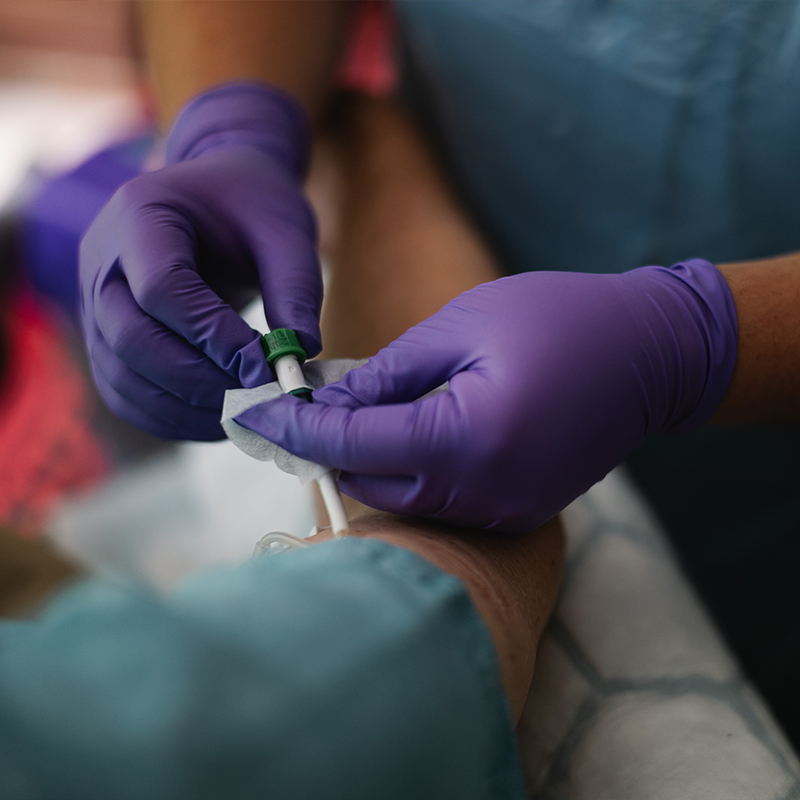
We know the benefits of cancer care at home
Our specialist cancer services ensure private medically insured and self-paying patients who want an alternative to hospital can start their treatment faster. We consider all cancer treatments, including those not currently available in hospitals.

Looking for more information?
We’ve worked with thousands of patients, and we know you’ll have a lot of questions.
If you’re ready to talk to us to discuss your options, fill out the form below and we’ll be in touch quickly.
If your enquiry is urgent please call 0345 2636 123 (England and Wales) or 0345 2636 135 (Northern Ireland and Scotland).
Your guide to bowel cancer treatment
A bowel cancer diagnosis can be overwhelming. Rest assured, you’re not alone, and there are many options for managing the condition and tailoring treatment to suit your individual needs.
Our guide is here to help you understand private bowel cancer treatment and the main treatment options available.