Understanding brain cancer treatment
A brain tumour diagnosis can feel overwhelming, but understanding your treatment for brain cancer and the full range of treatment options is a powerful step in taking control of your care journey.
This guide will walk you through current brain cancer treatment options, from surgery and radiation therapy to chemotherapy, targeted therapy, immunotherapy, and supportive care.
Get in touch with our team today or download our brochure to find out more.
Understanding your brain cancer diagnosis
When you receive a brain tumour diagnosis, your medical team gathers crucial information about brain tumour cells, tumour types, the brain tumour tissue involved, and the grade or aggressiveness of the disease. Key factors include the type of brain tumour, common brain tumour types such as gliomas or meningiomas, rare tumours, benign brain tumours or malignant tumours, and tumour location in the brain, such as the pituitary gland, pineal gland, or frontal lobe. Your general health and symptoms, such as new symptoms or other symptoms like vision loss or muscle strength changes, are carefully considered.
Brain tumours can arise as primary brain tumours (starting within the brain or spinal cord, often from glial cells that support nerve cells and brain cells), or as secondary brain tumours (also called brain metastases or metastatic brain tumours), which have spread from cancers elsewhere. Malignant brain tumours, cancerous brain tumour types, and benign tumours all require tailored treatment for brain cancer. The tumour cells’ features, identified in part by magnetic resonance spectroscopy and advanced imaging, guide decisions to treat brain tumours effectively.
Unlike many other cancers, staging is less emphasised for brain tumours. Instead, grade, brain tumour types, and the precise part of the brain or spinal cord affected drive treatment planning. Tumour treating fields, blood vessels involved, and cerebrospinal fluid flow are among the many details your healthcare team uses to assess your needs.
Surgery: the foundation of brain cancer treatment
For many people with brain tumours, surgery is the main treatment and the first step in a multidisciplinary team approach. Surgery aims to remove as much brain tumour tissue as safely possible and may be performed with the help of intraoperative MRI or functional mapping (using strong magnets and advanced imaging tests) to protect healthy brain tissue and preserve brain control of crucial functions.
Tumour resection (craniotomy)
Treatment for the brain may begin with a craniotomy, a surgical procedure where a specialist opens a small hole in the skull to access brain tumour cells. Achieving a “maximal safe resection” means the surgeon removes as much tumour as possible without damaging critical parts of the brain. For high-grade or malignant primary brain tumours, removing the tumour can relieve symptoms, provide a diagnosis, and improve the success of other treatments such as radiation therapy and chemotherapy.
Awake craniotomy
In some cases, tumours develop near areas that control speech, vision, or muscle strength. An awake craniotomy allows the surgical team to monitor brain and nervous system functions in real time, helping you maintain normal development and avoid loss of important abilities.
Biopsy
If the whole tumour cannot be removed completely, a brain biopsy (sometimes through a needle biopsy or open biopsy) provides a small sample to diagnose brain tumours and guide additional treatments such as radiation therapy, chemotherapy, or targeted therapy. Diagnosing tumour types and knowing whether you have a benign tumour, cancerous cells, malignant gliomas, or slow-growing tumours is vital to your plan.
Radiotherapy: a targeted approach
Radiation therapy (sometimes called radiotherapy) uses high doses of gamma rays, beams of radiation, or proton beams to kill cancer cells and slow or stop the growth of brain tumour cells. Radiation is a main treatment for many brain cancer patients, including those with tumour cells in nearby tissue or those unable to have surgery.
External beam radiotherapy (EBRT)
One of the most common forms of treatment for brain tumours, EBRT delivers radiation from outside the body to targeted parts of the brain, minimising harm to healthy tissue. Used to treat both benign and malignant brain tumours, it can help destroy cancer cells remaining after surgery.

Stereotactic radiosurgery (SRS)
Unlike other treatments, SRS is a noninvasive technique using high doses of beams of radiation with pinpoint accuracy, often in a single session. Whole brain radiation may be considered for brain metastases or secondary tumours, while SRS or proton therapy is often used for primary tumours, special tumour types, or when normal cells must be preserved.

Chemotherapy: systemic treatment for brain cancer
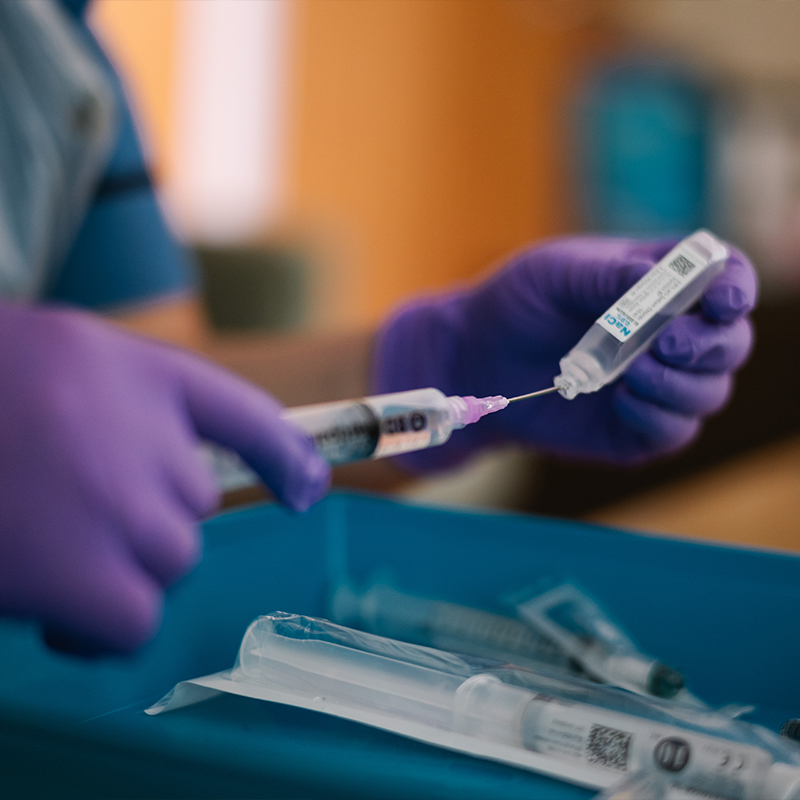
Chemotherapy is a systemic treatment for brain cancer, using powerful drug therapies to kill cancer cells and treat brain tumours throughout the body and the central nervous system. Drugs are given by vein or as tablets; sometimes chemotherapy wafers are placed at the tumour site during surgery to kill cancer cells directly in the brain tissue.
How chemotherapy works
The treatment team may recommend common agents like temozolomide; these drugs target DNA in tumour cells, affecting the nervous system but sparing as much healthy brain tissue as possible. Chemotherapy may be used alongside radiation therapy or on its own, especially for certain brain tumour types or after a new treatment or clinical trial is identified.

Managing side effects
Because chemotherapy can impact healthy cells and cause symptoms like hair loss, scalp irritation, or fatigue, you’ll receive support from a multidisciplinary team to help manage these effects and keep your general health strong during therapy.
Targeted therapy: precision medicine for specific tumours
Targeted therapy is a newer approach in the treatment of brain cancer and uses drugs to interfere with genetic mutations, abnormal cells, or blood vessels that help malignant tumours grow. Some targeted drugs can cross the blood-brain barrier and are particularly useful in treating high-grade tumours or malignant gliomas.
How targeted therapy works
Bevacizumab and similar drugs block new blood vessels from nourishing tumour cells, essentially starving out the cancer. These treatments are designed to be more effective and better tolerated than standard chemotherapy, and they’re often explored in clinical trials or as part of other treatments for complex tumour types.
Immunotherapy: harnessing your immune system
Immunotherapy represents a major step forward in treatment for brain tumours, helping the body’s immune system recognise and destroy cancerous cells. While its routine use in brain and nervous system cancers is still developing, many new treatment strategies and clinical trials are underway.
How immunotherapy works
Drugs called checkpoint inhibitors release the immune system’s “brakes” so it can seek and destroy cancer cells. Your medical team or health professionals will consider whether you’re eligible for immunotherapy, especially if you have a cancerous brain tumour that’s resistant to conventional therapies.
Radiation therapy and other treatments: for symptom control
Additional treatments play an important role in managing brain cancer. Steroids help reduce swelling, palliative care eases troubling symptoms, and anti-seizure medications minimise risks related to tumour location or brain stem involvement. Rehabilitation specialists, including physiotherapists and speech therapists, work with you to restore brain control, vision, or movement lost due to the tumour or its treatment.

Advanced brain cancer treatment
If your cancerous brain tumour is high-grade, recurs, or you develop new symptoms, your treatment plan may shift. Your multidisciplinary team may recommend another round of surgery, a new targeted therapy, participation in clinical trials, or palliative care for symptom relief, depending on several factors such as tumour location and overall survival rate.
Systemic treatment approaches
Together, your medical team will select the most appropriate therapies to destroy cancer cells, minimise harm to healthy brain tissue, and manage long-term symptoms. Imaging tests like a brain MRI scan, CT scan, or PET scan help the team assess the effects of treatment and decide if other tests or treatments are needed.
Personalised treatment planning
Your personalised plan takes into account tumour type (including rare tumours or common form tumours), grade, and genetic features, plus your overall general health and unique treatment goals. This patient-centred approach is crucial for people with brain cancer who require multiple lines of treatment over time.
Treatment at home: bringing cancer care to you
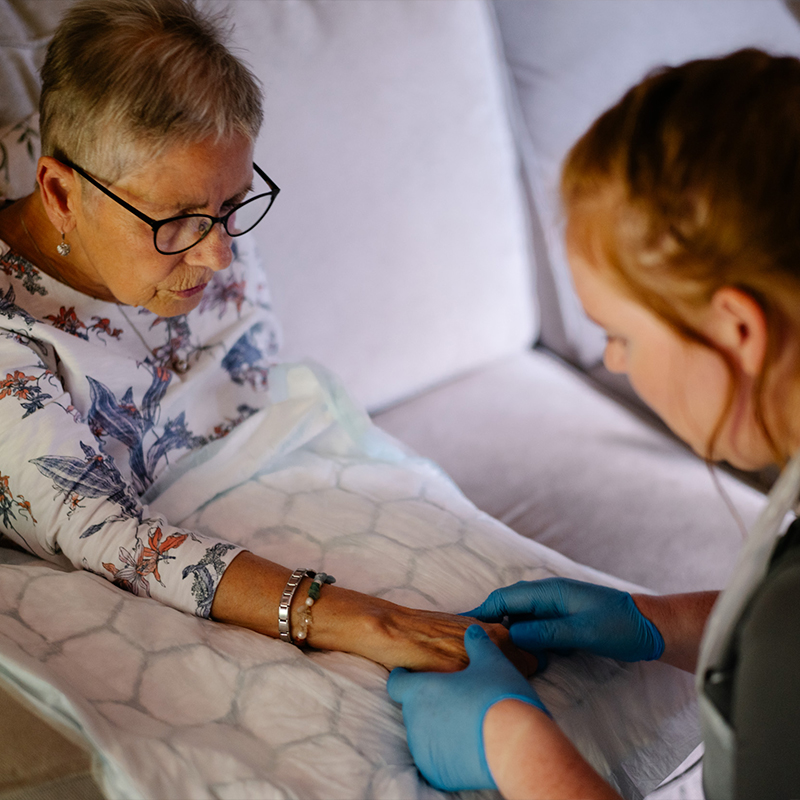
With advances in technology, many aspects of treatment for brain cancer, including oral chemotherapy, certain supportive care meds, and monitoring for new treatment side effects, can be delivered at home. This flexibility reduces travel, enhances quality of life, and offers emotional support to people with brain tumours and their families.
Looking for more information?
We’ve worked with thousands of patients, and we know you’ll have a lot of questions.
If you’re ready to talk to us to discuss your options, fill out the form below and we’ll be in touch quickly.
If your enquiry is urgent please call 0345 2636 123 (England and Wales) or 0345 2636 135 (Northern Ireland and Scotland).
We know the benefits of cancer care at home
Our specialist cancer services ensure private medically insured and self-paying patients who want an alternative to hospital can start their treatment faster. We consider all cancer treatments, including those not currently available in hospitals.

Your guide to brain cancer treatment
A brain cancer diagnosis can be overwhelming. Rest assured, you’re not alone, and there are many options for managing the condition and tailoring treatment to suit your individual needs.
Our guide is here to help you understand private brain cancer treatment and the main treatment options available.