Your guide to brain cancer treatment
Whether you have recently received a brain tumour diagnosis or are seeking trusted information about brain tumour symptoms, risk factors, or treatment approaches, you are not alone.
These essential resources ensure you have expert information about all aspects of brain tumour care.
Get in touch with our team today or download our brochure to find out more.


Frequently asked questions about brain cancer
What is brain cancer?
Brain cancer means there are cancerous brain tumour cells growing in the part of the brain called the central nervous system. Most primary brain tumours start directly in the brain, but secondary brain tumours, also known as metastatic brain tumours, spread from cancers elsewhere in the body. Types of brain tumours include common form gliomas (from glial cells that support nerve cells), meningiomas, pituitary tumours, pineal tumours, and others. Germ cells can also develop into germ cell tumours, particularly near the pineal gland or in the pituitary gland region.
Malignant brain tumours are made of cancerous cells that quickly invade healthy brain tissue, while benign tumours are made up of cells that resemble healthy brain cells and tend to be slow-growing tumours. Understanding your specific brain tumour type, its risk factors, and whether they are primary tumours or secondary tumours, helps guide your treatment plan.
What are the symptoms of brain cancer?
Brain tumour symptoms vary significantly depending on which part of the brain is affected. Common symptoms can include:
- Headaches, especially worse in the morning: Signs and symptoms may be linked to pressure on the brain tissue or cerebrospinal fluid changes.
- Seizures (fits): These can be the first sign of a nervous system tumour.
- Nausea, vomiting, or drowsiness
- Vision or speech problems
- Changes in behaviour or memory
- Weakness or numbness in part of the body
Symptoms arise as tumour cells grow, affecting healthy cells, cranial nerves, or parts of the brain involved in movement, balance, and cognition. Pay attention to new or persistent brain tumour symptoms; timely diagnosis leads to better median survival and treatment success.
What causes brain cancer?
The exact causes of brain cancer remain unknown, but risk factors include exposure to ionising radiation, certain genetic mutations, and family history. Some people develop a brain tumour due to inherited gene changes, while others may develop cancer after exposure to radiation therapy earlier in life. Certain brain tumour types affect children more commonly, while others, such as pineal gland tumours or tumours of the pituitary gland, are rare tumours in adults.
What are the treatment options for brain cancer?
Treatment options depend on the type, grade, and location of the tumour as well as your general health. They may include:
- Surgery: The main approach for most primary brain tumours focuses on removing as much of the tumour as possible while sparing healthy brain tissue.
- Radiation therapy: Uses targeted energy to kill cancer cells, often given after surgery for malignant tumours or for treating secondary brain tumours.
- Chemotherapy: Drugs that attack quickly dividing cancerous cells.
- Targeted therapy: Focuses on specific genetic mutations found in tumour cells.
- Clinical trials: Offer access to new medicines and technologies for rare tumours or aggressive cancers.
- Immunotherapy: Treatment that helps the body’s immune system recognise and attack cancerous brain tumour cells.
Your care team will explain whether these treatments are suited to your diagnosis, whether you have malignant gliomas, common brain tumour types, or other brain tumours.
How much does private brain cancer treatment cost?
Costs for private care vary depending on diagnostic imaging (such as magnetic resonance imaging), surgery, rehabilitation, hospital location, and the complexity of your needs. Initial consultations, advanced imaging, neurosurgery, treatments like targeted therapy or radiation therapy, medications, and therapies, such as those aimed at improving function in the central nervous system or spinal cord, are included. Review your insurance before starting treatment, and ask about any available financial support.
Can you get brain cancer treatment at home?
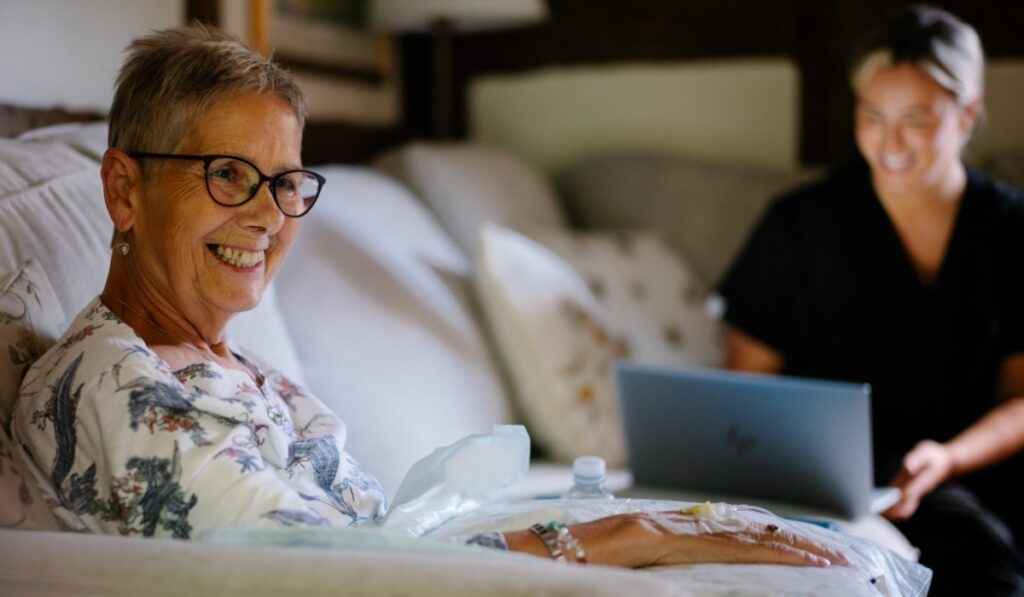
Many people are able to have certain treatments, such as oral chemotherapy, symptom management, and supportive care, including help with side effects caused by tumour cells in the central brain tumour registry region, at home. Home-based care may minimise travel, reduce exposure, allow family involvement, and help maintain normal development for children diagnosed with a brain disorder or adults with chronic conditions. Therapies may include rehabilitation, anti-seizure medication, physiotherapy, support for cognitive symptoms, and regular monitoring.
Our specialists work closely with families and patients to coordinate at-home treatment safely, whether managing a benign or malignant brain tumour, helping you maintain a sense of control and comfort.
For almost three decades, we have supported people with brain and spinal cord tumours, delivering specialist care, radiation therapy, advanced imaging, and access to clinical trials for all types of brain tumours. Whether you face a diagnosed cancerous brain tumour, a pineal tumour, or other brain tumours causing symptoms, we aim to empower and reassure you throughout your journey.
Looking for more information?
We’ve worked with thousands of patients, and we know you’ll have a lot of questions.
If you’re ready to talk to us to discuss your options, fill out the form below and we’ll be in touch quickly.
If your enquiry is urgent please call 0345 2636 123 (England and Wales) or 0345 2636 135 (Northern Ireland and Scotland).
We know the benefits of cancer care at home
Our specialist cancer services ensure private medically insured and self-paying patients who want an alternative to hospital can start their treatment faster. We consider all cancer treatments, including those not currently available in hospitals.