Beyond the HPN delivery: shining a light on the people and expertise patients don’t always see
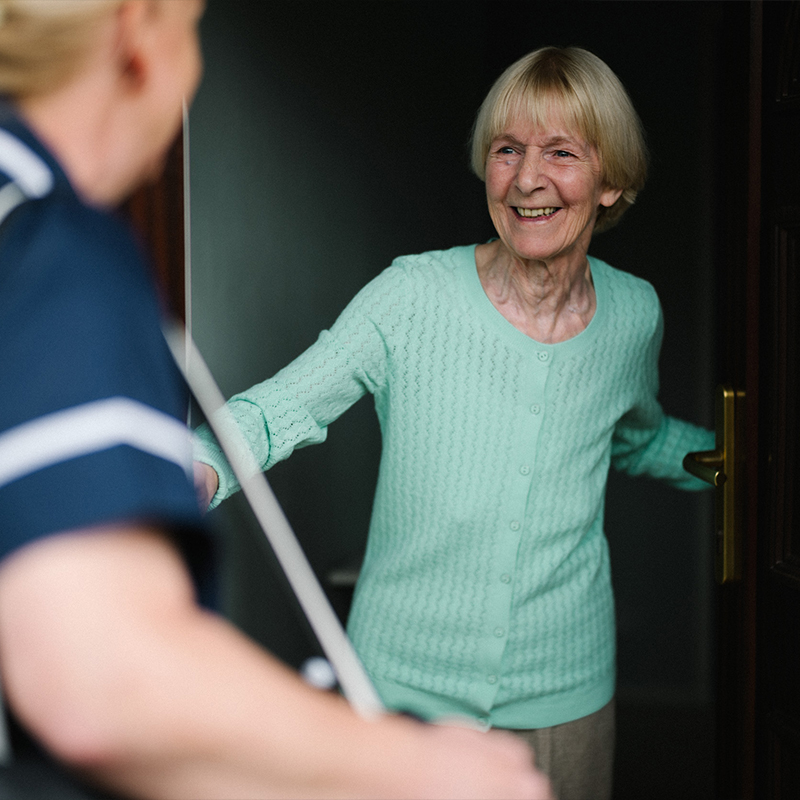
For a patient receiving home parenteral nutrition (HPN), the most visible parts of treatment may be the nutrition bags, equipment, deliveries and nursing support they receive at home.
Behind each of those touchpoints sits a much wider network of expertise.
That was at the heart of this year’s Home Artificial Nutrition (HAN) Week theme, The Seen and The Unseen, and it provided an opportunity for colleagues across Lloyds Clinical to explore the specialist work that supports patients receiving HPN every day.
The expertise behind every HPN patient journey
HPN can make life outside hospital possible for people whose gastrointestinal tract is unable to absorb enough nutrients or fluids to meet their body’s needs. Supporting those patients safely requires much more than supplying a prescription. It relies on close working between hospital teams, nurses, pharmacists, pharmacy technicians and compounding specialists, with each contributing different expertise to the patient’s care.
HAN Week gave us an opportunity to bring some of that work into view.
Learning from across the HPN pathway
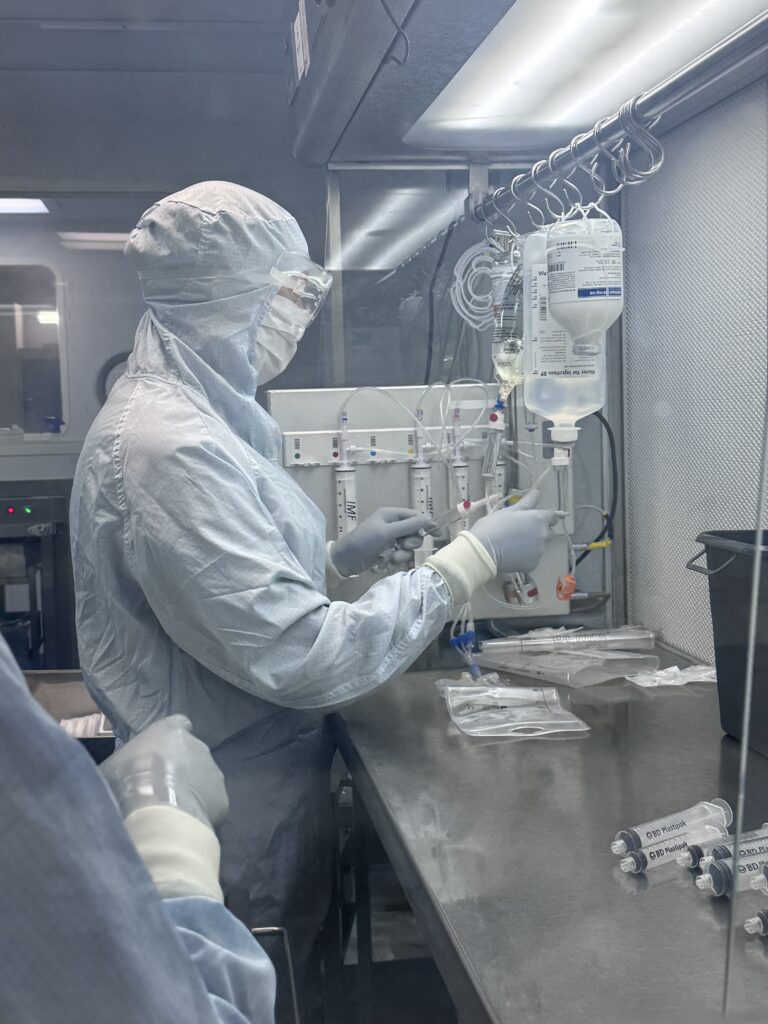
Hands-on show and tell sessions enabled non-clinical colleagues to see the ancillary equipment used by patients and learn more about how it supports treatment at home. The sessions also highlighted the work involved in a typical week of compounding, helping colleagues understand the processes that sit behind the finished product a patient ultimately receives.
Strengthening collaboration between nursing and compounding teams
Our nursing teams also visited our Derby and Spire Green compounding operations, giving them the opportunity to see the complexity of the manufacturing process first-hand. Bringing clinical and technical teams closer together is particularly valuable in HPN, where patient requirements, formulation considerations and practical delivery all need to work alongside one another.
What we learned from our first HPN roundtable
The week also created space to share expertise through our first HPN roundtable. Benjamin Booth, Intestinal Failure Lead Nurse, joined colleagues from pharmacy and pharmacy technical services to discuss intestinal failure, why patients may require parenteral nutrition and the considerations involved in developing individual HPN formulations.
Why every patient’s HPN prescription is unique
One message came through particularly clearly – no two patients are the same.
A patient’s nutritional requirements can involve different combinations of calories, fluids, electrolytes and micronutrients. Those needs may also change over time. Behind each formulation are decisions around clinical requirements, stability, compatibility, available volume and how the treatment can practically be compounded and supplied.
Clinical decisions that affect everyday life
The discussion also reinforced that decisions around HPN can have a direct effect on everyday life.
Storage space, delivery frequency and travel can all become important considerations. During the roundtable, the team discussed how different bag options may sometimes support travel, as well as work underway to consider whether supply arrangements can be optimised where stability allows, reducing the frequency of deliveries for some patients.
Supporting patients beyond treatment
HAN Week also provided an opportunity to support PINNT, the national patient-led charity for people receiving artificial nutrition at home, through colleague fundraising. The week highlighted our plans to invest in wearable training vests to support patients transitioning from paediatric to adult services, reflecting the wider focus on helping people build confidence and independence where appropriate.
Keeping patients at the heart of HPN care
The activities across the week brought different parts of the HPN pathway together and helped make visible some of the work that patients may never see.
For us, that matters. HPN relies on specialist clinical knowledge, technical expertise and collaboration, but those elements ultimately come together around one person – the patient.
Understanding their individual needs, how treatment fits into their life and what support will help them manage it safely remains central to the way we approach HPN at Lloyds Clinical.