Creating NHS capacity through care closer to home
The Government’s new £40 million programme to help GPs support vulnerable patients and prevent avoidable hospital admissions this winter is an important investment in an approach the NHS is already pursuing: earlier intervention and more care closer to home.
Up to 300,000 people at greater risk of becoming seriously unwell are expected to receive additional support, including medication reviews, health checks, home assessments and nurse led respiratory clinics.
The immediate objective is to help people stay well through winter and reduce avoidable pressure on hospitals. There is also a wider opportunity.
As the NHS continues to develop neighbourhood health and move appropriate care closer to patients, we have an opportunity to think differently about where clinical capacity sits and how organisations across the health system can work together to make the best use of it.
Supporting patients in the right setting
Hospital will always remain an essential part of the health system. At the same time, advances in clinical pathways mean that appropriate treatment, including complex and specialist care, can increasingly be delivered in patients’ homes and communities.
For patients, that can make a significant difference. Regular hospital visits can involve travel, waiting to be seen and time away from work, family responsibilities and other parts of everyday life.
These demands can be particularly significant for people living with long term or complex conditions who require ongoing treatment.
Where clinically appropriate, receiving treatment closer to home can offer greater flexibility and independence, while maintaining the clinical support and oversight patients need.
It can also support NHS teams by allowing hospital based resources to remain focused on patients whose care requires that setting.
This is why the Government’s focus on preventing avoidable admissions is so important. It recognises the value of intervening earlier and organising services around what patients need before their condition reaches a point where hospital care becomes necessary.

Making care outside hospital work safely
Changing where treatment takes place requires careful planning.
The standards, expertise and systems surrounding a patient remain just as important when treatment is delivered outside hospital.
Medicines need to be prescribed, dispensed, transported and stored safely. Healthcare professionals need the appropriate skills and information. Clear escalation routes must be in place. Patients need to know who is supporting them and who to contact if their circumstances change.
Strong communication between everyone involved in the pathway is also essential.
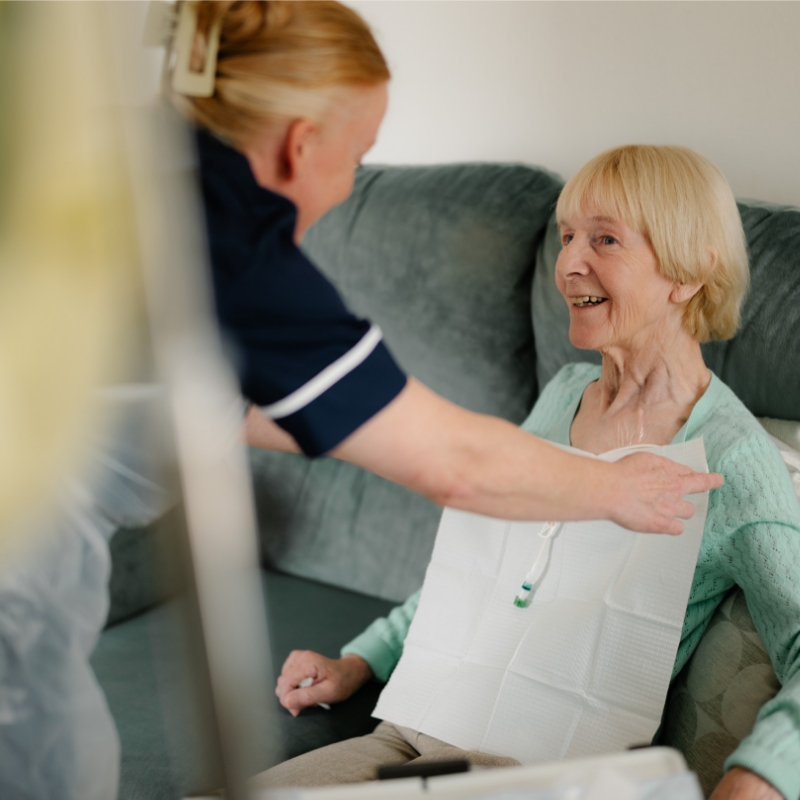
At Lloyds Clinical, we work alongside NHS teams to provide specialist treatment outside hospital, supporting patients in their homes and communities.
Depending on the pathway, that can include specialist nursing, medicine and clinical supply deliveries, training to help patients manage appropriate elements of their treatment and ongoing clinical support.
Behind those services sits the infrastructure needed to deliver them safely and reliably, including clinical governance, nursing expertise, pharmacy services, medicines delivery, compounding units, healthcare centres and 24/7 telephone support.
Together, these capabilities enable us to work as part of the wider NHS pathway, alongside the teams responsible for each patient’s care.
Creating capacity across the pathway
When we talk about NHS capacity, the conversation understandably often focuses on beds.
There is also capacity to consider across the wider patient journey: outpatient appointments, clinical time, pharmacy resource, physical estate, transport and the operational support surrounding treatment.
Providing appropriate elements of care closer to home can help make use of that capacity differently.
For NHS organisations, well designed pathways can also support more effective use of resources by ensuring hospital based capacity is focused where it is clinically needed most.
The opportunity will vary by treatment, patient and service. Clinical need must always determine the most appropriate setting.
Where a pathway is suitable, established services can complement NHS provision and help create greater flexibility across the system.
For patients, this can mean fewer unnecessary journeys and greater independence, while maintaining continuity of care. For NHS partners, it provides another option when considering how pathways can be designed around growing demand, available resources and the needs of patients.
Partnership will be central to the next stage
Care closer to home is already part of NHS delivery.
Patients across the country are receiving specialist medicines and clinical treatment beyond traditional hospital settings, supported by teams working closely with NHS consultants, pharmacists, nurses and multidisciplinary colleagues.
The opportunity now is to build on what is already working.
As neighbourhood health develops, there is value in bringing together NHS expertise and the capabilities of experienced partners to explore which pathways may be suitable for delivery closer to home and what is needed to support them effectively.
For Lloyds Clinical, partnership is fundamental to this.
We have worked with the NHS for nearly 30 years, supporting the delivery of specialist clinical therapies outside hospital. What we learn through those partnerships, and through supporting patients every day, can contribute to how services continue to evolve.
The £40 million winter programme is encouraging because it reinforces a broader approach centred on prevention, earlier support and care closer to patients, while helping the NHS respond to immediate winter pressures.
The next step is to build on that direction together.
By combining NHS clinical expertise with established services and infrastructure beyond the hospital setting, we can help create pathways that give patients greater choice and independence, support continuity of care and make the best use of capacity across the health system.
For Lloyds Clinical, that means continuing to work alongside NHS partners to turn the ambition of care closer to home into safe, sustainable services that work for patients in practice.