Your complete guide to understanding pancreatic cancer treatment
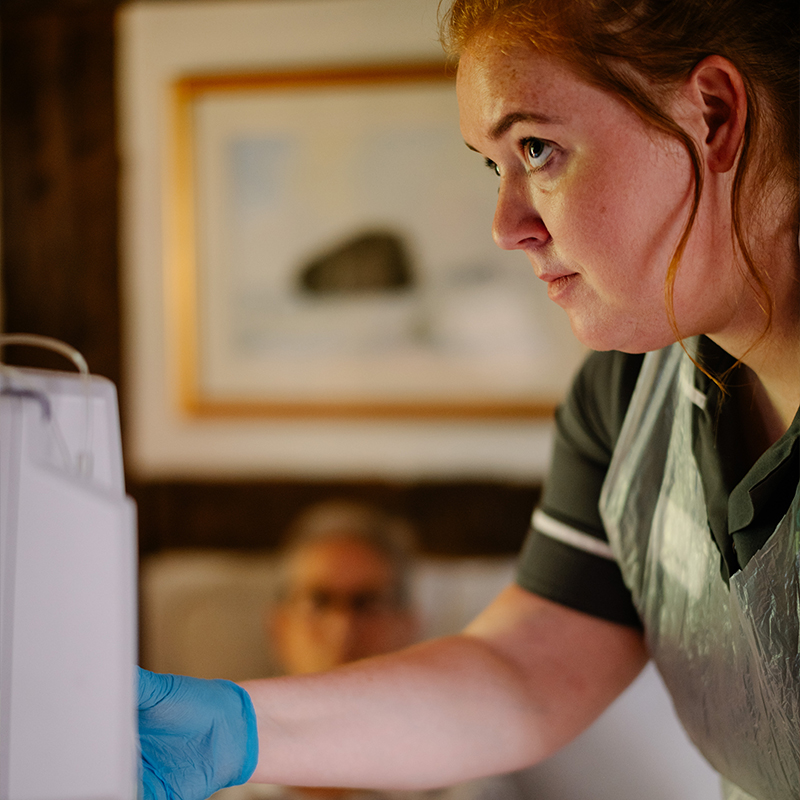
This guide will walk you through the various pancreatic cancer treatments available today. We will explore everything from surgery and ablation to targeted therapy, immunotherapy, and radiation therapy. We will explain how your medical team makes treatment decisions and what to expect during different therapies. You will also learn how to work closely with your specialists to create the most effective treatment plan for your situation.
Get in touch with our team today or download our brochure to find out more.
Understanding your pancreatic cancer diagnosis
The type of pancreatic cancer you have greatly influences your treatment options. Most pancreatic cancers begin in the exocrine cells, which produce digestive juices. These are called pancreatic adenocarcinomas. A smaller percentage start in the hormone-producing endocrine cells, known as pancreatic neuroendocrine tumours (NETs). These different types require entirely different treatment approaches.
Your healthcare team will also consider the stage of your cancer. They will look at whether the tumour is contained within the pancreas (resectable), involves nearby blood vessels (borderline resectable or locally advanced), or has spread to distant organs like the liver (metastatic). A detailed picture built from CT scans, MRI scans, and biopsies helps determine the most effective treatment for you.
Surgery: The foundation of pancreatic cancer treatment
Surgery to remove the pancreatic tumour remains a primary treatment goal, especially when the cancer is detected in its early stages. If the cancer has not spread to major blood vessels or distant organs, surgical removal can offer the highest chance of controlling the disease completely.
The Whipple procedure (Pancreaticoduodenectomy)
The Whipple procedure is the most common surgery for pancreatic cancer, used when the tumour is located in the head of the pancreas. During this complex operation, the surgeon removes the head of the pancreas, the first part of the small intestine, the gallbladder, and a portion of the bile duct.
After removing these parts, your surgeon reconnects the remaining digestive tract so your body can digest food normally. This approach preserves as much healthy tissue as possible, maintaining your digestive function.
Distal pancreatectomy
If your tumour is located in the body or the tail of the pancreas, your surgeon may perform a distal pancreatectomy. This procedure involves removing only the affected section of the pancreas. Often, the spleen is also removed during this operation because it sits very close to the tail of the pancreas.
Your remaining pancreas usually continues to produce the enzymes and insulin your body needs. Blood tests will carefully monitor your blood sugar and digestive function after the operation.
Lymph node surgery
During your operation, your specialist surgeon will also remove nearby lymph nodes. A pathology team will check these nodes for the presence of cancer cells. If cancer is found in the lymph nodes, your medical team will likely recommend further treatments, such as chemotherapy, to reduce the risk of the cancer coming back.
Ablation therapies: A less invasive option
For certain patients, especially those who cannot have major surgery because the tumour involves critical blood vessels, ablation therapies may be recommended. These treatments destroy cancer cells within the pancreatic tumour without removing the organ itself.
Radiofrequency ablation (RFA)
Radiofrequency ablation uses high-energy radio waves to heat and destroy cancer cells. A specialist inserts a thin needle-like probe directly into the tumour, usually guided by an ultrasound or CT scan. The heat applied through the probe kills the cancer cells. RFA is recommended for select patients with locally advanced pancreatic cancer to help halt the tumour’s growth.
Irreversible electroporation (NanoKnife)
Irreversible electroporation, often referred to as NanoKnife, uses short, high-voltage electrical pulses to destroy cancer cells. Because it does not use heat or cold, it is particularly useful for pancreatic tumours sitting very close to major blood vessels. The electrical pulses damage the cancer cells permanently while sparing the vital surrounding blood vessels.
Targeted therapy: Precision medicine for advanced cancer
Targeted therapy drugs are a vital part of treatment for advanced pancreatic cancer. These therapies interfere with specific genetic pathways or proteins that pancreatic cancer cells use to grow and divide.
How targeted therapy works
Targeted therapy works by starving the tumour of exactly what it needs to survive. For example, some patients with a specific genetic change known as a BRCA mutation may be prescribed a targeted drug called a PARP inhibitor (such as olaparib). This drug prevents cancer cells from repairing their damaged DNA, causing the cells to die.
Another targeted drug, erlotinib, blocks a protein on the cancer cells that encourages them to divide. Your medical team will test your biopsy sample to see if your cancer has the specific features that these targeted therapies look for.
Managing side effects
Targeted therapies may cause side effects, such as skin rashes, tiredness, or digestive changes. Your specialist cancer nursing team will help you manage these issues proactively. We ensure you have the medications and guidance you need so you can continue your treatment with the best possible quality of life.
Immunotherapy: Harnessing your immune system
Immunotherapy drugs represent a significant advance in modern cancer care. They work by helping your own immune system identify, target, and attack cancer cells. While immunotherapy is still being actively researched for pancreatic cancer, it is already highly effective for certain specific tumour types.
How immunotherapy works
Immunotherapy drugs, such as checkpoint inhibitors, block special proteins that cancer cells use to hide from your immune system. When these proteins are blocked, your immune cells can suddenly “see” and destroy the cancer. Drugs like pembrolizumab are used for patients whose pancreatic tumours have specific genetic features, such as high microsatellite instability (MSI-H).
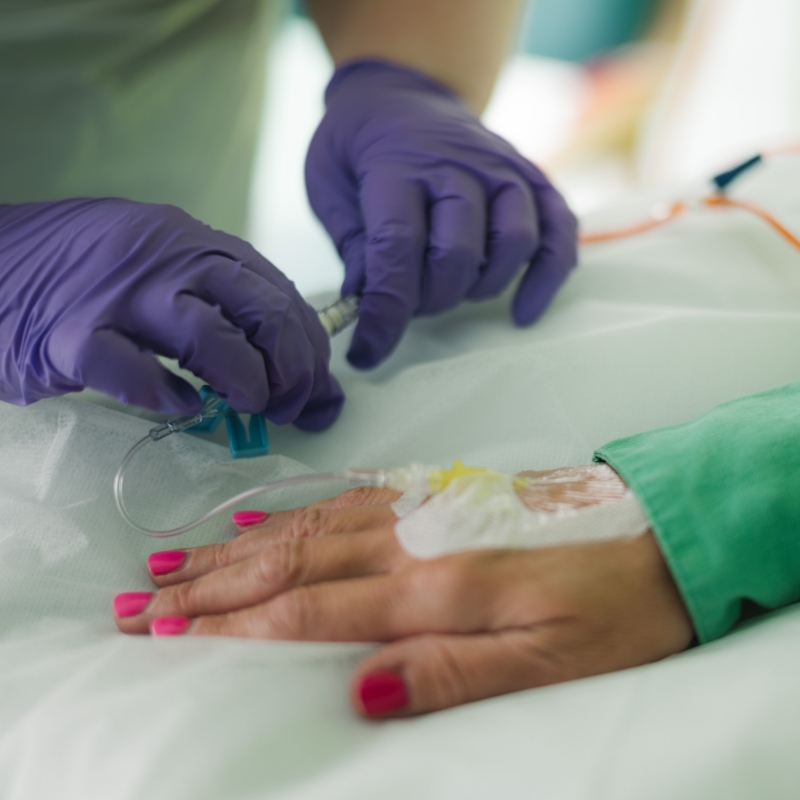
These treatments are usually delivered directly into your bloodstream through an intravenous drip every few weeks. Your medical team will discuss whether immunotherapy, targeted therapy, or standard chemotherapy is the best treatment for your specific type of pancreatic cancer.
Long-term benefits
Some patients experience a strong and durable response to immunotherapy, keeping the cancer controlled for long periods. Your cancer specialist will monitor your response closely, checking your blood counts and general health to ensure you remain strong throughout your treatment journey.
Radiation therapy: For symptom control and tumour shrinkage
Radiation therapy uses high-energy beams to destroy cancer cells. For pancreatic cancer, it is often used alongside chemotherapy, either before surgery to shrink a tumour or after surgery to lower the chance of the cancer returning.
Modern techniques, such as stereotactic body radiation therapy (SBRT), deliver high doses of radiation precisely to the tumour. This protects the healthy surrounding organs, like your stomach and liver. Radiation therapy is also an excellent palliative treatment, helping to relieve pain or control symptoms if the cancer has spread or is pressing on nearby nerves.
Advanced and metastatic pancreatic cancer treatment
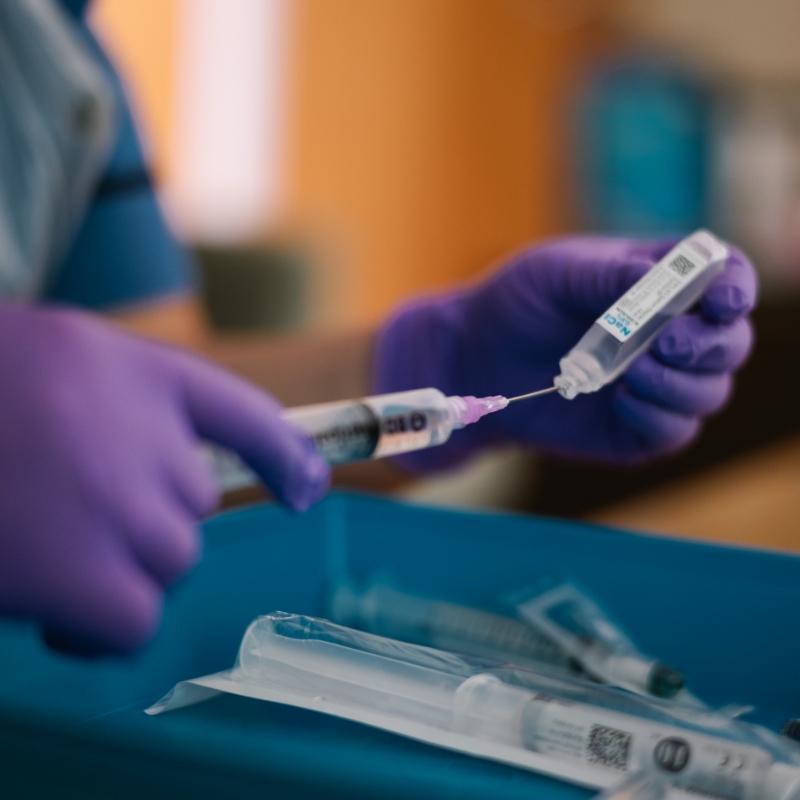
When pancreatic cancer has spread beyond the pancreas to distant organs, systemic therapies become the main approach. Systemic treatments travel through your entire bloodstream to reach cancer cells wherever they are.
Your multidisciplinary team will work with you to find the perfect balance between treatment effectiveness and your overall comfort. Advanced cancer often requires several lines of treatment. If a tumour starts to grow after one treatment, there are often other therapies or clinical trials available to help manage the disease.
Personalised treatment planning
Your treatment will be tailored entirely to you. Your team considers your overall health, the exact stage of your cancer, and your personal treatment goals. They may also recommend genetic testing if you have a family history of pancreatic cancer, as this can open up new, highly targeted treatment options.
Supporting your treatment journey
Managing your emotional well-being, nutrition, and side effects is a core part of your holistic treatment plan. Because pancreatic cancer affects digestion, your team will likely prescribe pancreatic enzyme replacement therapy (PERT) to help your body absorb nutrients properly.
Our clinical teams help patients manage their condition at home or in the community, providing the confidence and peace of mind you deserve. Remember, with personalised treatment options and dedicated 24/7 support, you can maintain your independence and achieve the best possible quality of life at every stage of your journey.
Looking for more information?
We’ve worked with thousands of patients, and we know you’ll have a lot of questions.
If you’re ready to talk to us to discuss your options, fill out the form below and we’ll be in touch quickly.
If your enquiry is urgent please call 0345 2636 123 (England and Wales) or 0345 2636 135 (Northern Ireland and Scotland).
We know the benefits of cancer care at home
Our specialist cancer services ensure private medically insured and self-paying patients who want an alternative to hospital can start their treatment faster. We consider all cancer treatments, including those not currently available in hospitals.

Your guide to pancreatic cancer treatment
This guide provides essential information about pancreatic cancer, including how it develops in the exocrine or endocrine cells of your pancreas. We will explain how pancreatic tumours are detected, what treatment involves, and the importance of recognising risk factors.
We’ve developed four comprehensive guides to support you through every stage of pancreatic cancer care.