Understanding private pancreatic cancer treatment costs in the UK
Choosing private treatment means selecting a path that puts you in control of your own treatment journey. From your initial consultation to ongoing support, private care delivers personalised care and swift responses. This approach is highly valued by patients seeking a second opinion, faster appointments, or specific procedures to bypass long hospital waits. Private health insurance may cover all or part of your cancer treatment costs, or you might choose self-funding through a self-pay arrangement.
Understanding the cost of private pancreatic cancer treatment allows you to consider the benefits, compare private hospital prices, and plan effectively.
Get in touch with our team today or download our brochure to find out more.
What influences private pancreatic cancer treatment costs
Type and stage of pancreatic cancer
There are different types of pancreatic cancer, and your specific diagnosis plays a major role in your treatment plan. Your cancer’s stage heavily impacts the overall cost. Treating early-detected, localised pancreatic cancer usually involves a different clinical pathway than managing metastatic pancreatic cancer. Treatments could include complex surgery, targeted therapies, immunotherapy, or chemotherapy. Your health professionals will discuss the best options based on your diagnosis and your general health.
State-of-the-art diagnostic tests are always required early on. These tests include magnetic resonance imaging (MRI), computed tomography (CT scans), endoscopic ultrasound, and specific blood tests. Doctors use these tools to assess the tumour, your pancreas, and the surrounding blood vessels. The results inform whether you require a major operation or if other medical interventions are more suitable.
Treatment approach and duration
Your personalised care plan will outline your specific treatments. This plan might include private surgery, targeted therapy, immunotherapy, radiotherapy, or chemotherapy. Each treatment type and the duration involved will influence the overall cost. Some treatments are perfectly suitable for delivery at home. Others require hospital-based procedures under the care of a specialist consultant or surgeon.
Pancreatic cancer treatments are priced differently depending on their complexity and the frequency of your sessions. The expertise of your private doctor, the multidisciplinary team, and the private hospital’s resources all impact the final cost. Tailored to your needs, your plan will always aim to provide the most effective care possible.
Hospital location and facilities
Private hospital prices differ based on geography. You will often see variations between London, other UK regions, and Northern Ireland. Each private hospital or practice offers a different level of service, amenities, and flexibility in appointments. Many facilities offer private single rooms, flexible visiting hours, and the dedicated support of a specialist nurse throughout your stay. The reputation of the consultant, the availability of specific surgical technology, and the overall hospital environment all influence the costs.
Breakdown of private pancreatic cancer treatment costs
Initial consultations and diagnostic tests
Your journey generally begins with an initial consultation with an oncologist, gastroenterologist, or specialist pancreatic surgeon. This meeting sets up your diagnostics, including blood tests to check your liver function, CT scans, MRI, and potentially a biopsy. These tests provide a highly detailed picture of your health, your pancreas, and the tumour’s characteristics.
Diagnostics are absolutely critical for confirming your diagnosis and planning your treatments. They also monitor whether the disease has spread to other organs, like the liver or nearby lymph nodes. Some private hospitals offer comprehensive diagnostics packages that include all your specialist imaging and blood markers for one set fee.
Surgical procedures
Private pancreatic surgery is highly specialised. Operations like the Whipple procedure (pancreaticoduodenectomy) or a distal pancreatectomy require expert surgical teams. Your surgeon will decide the best procedure by considering the tumour type, its exact location, its size, and its relationship to major blood vessels. These major operations involve hospital stays, intensive care monitoring, and specialist post-operative nursing, all of which form part of the surgical cost.
Medical treatments and therapies
Advanced or metastatic pancreatic cancer is usually managed with systemic treatments. These include chemotherapy, targeted therapy, or immunotherapy. Modern radiation therapy might also be used to shrink the tumour or relieve pain. The specific drugs used, the duration of your treatment cycles, and the requirement for ongoing blood tests will impact the overall private treatment cost.
The advantage of treatment at home: A cost-effective alternative
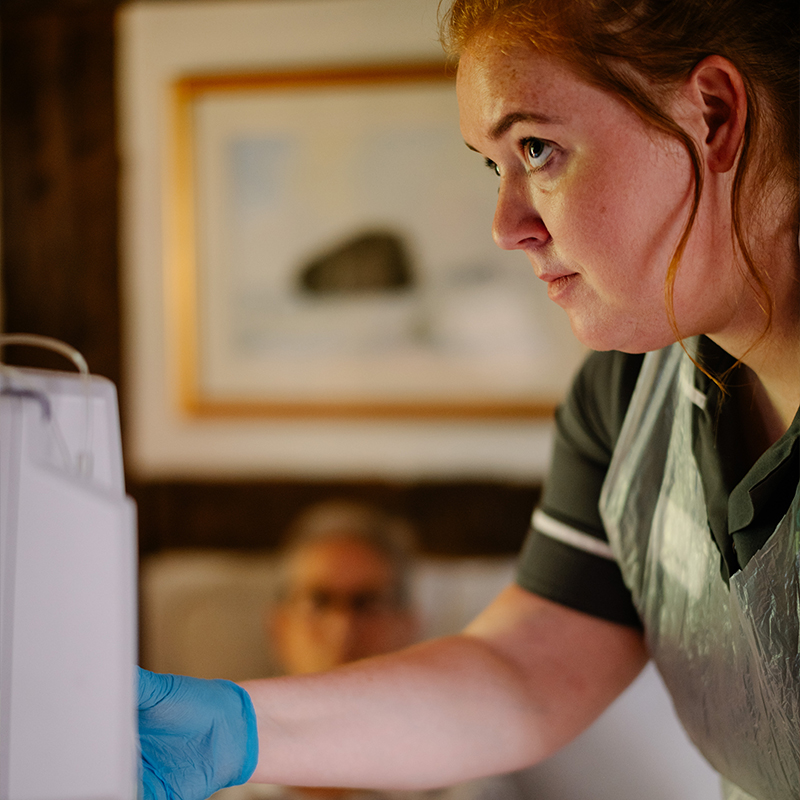
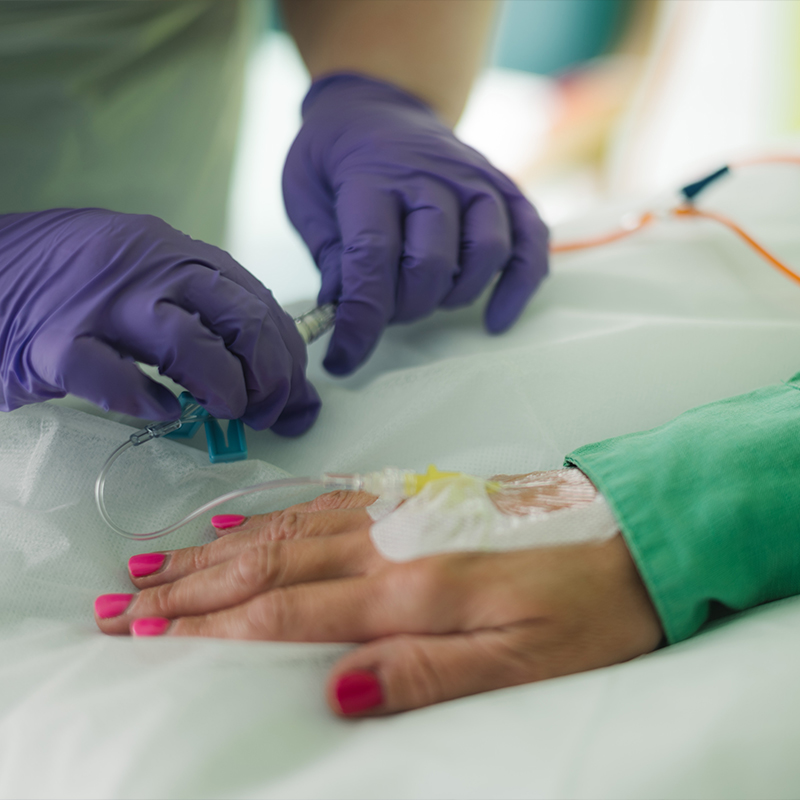
We know how to provide clinical services outside the hospital. This home treatment advantage means specialist oncology nurses can visit you to administer medication, manage infusions, or monitor your symptoms. Home care improves your quality of life, reduces stressful travel, allows family participation, and minimises the anxiety associated with busy hospital environments. You receive evidence-based cancer treatment in a safer, much more comfortable setting.
Clinical excellence at home
Home-based services offer clinical standards completely on par with hospitals. We provide medication and specialist nursing for the greatest number of therapy areas and complex conditions, out of hospital. Our team of clinical specialists puts patients in control of their condition and their treatment, whilst providing the human care and support for patients and families during their treatment. You will have immediate support access 24/7, ensuring peace of mind guaranteed.
Insurance coverage and payment options
Whether you are self-funding or using private health insurance, understanding your available coverage is vital. Private medical insurance often provides extensive coverage for initial consultations, diagnostic tests, private hospital stays, surgery, and ongoing treatments. It is important to contact your health insurance provider early. You must clarify exactly what is covered, discuss prior authorisation, and understand any annual limits or exclusions.
Self-pay is a highly viable option for those without insurance. It offers immediate access to private healthcare and the ability to spread payments for diagnostics, surgery, and medication. Providers will always give you a detailed cost breakdown before your treatment begins, ensuring you have clear notice of any fees.
Combining NHS and private care
You can easily choose to combine NHS and private care in the UK. For example, you might initially seek a second opinion from a specialist privately, or schedule rapid diagnostic scans to avoid waiting lists. Once you have your results, you can then continue your standard care or follow up with the NHS. Alternatively, you could opt to pay privately for specific targeted therapies not available on the NHS and integrate them with your core NHS cancer treatment plan.
Frequently asked questions
How quickly can I start private pancreatic cancer treatment?
Private treatment usually enables patients to access appointments, diagnostics, and procedures rapidly. You can often see a consultant within days of your first contact. Home treatment sometimes allows you to begin your medical therapies even sooner. If you have private medical insurance, remember that prior authorisation is needed before your treatments can start.
Does private treatment provide better outcomes than NHS care?
Both private and NHS cancer treatments in the UK follow strict national guidelines and offer evidence-based procedures. The main differences with private care are personal choice, home comfort, convenience, and faster access to diagnostics and surgery.
Can I switch between private and NHS care during treatment?
Many patients successfully combine both pathways, especially when dealing with complex conditions like pancreatic cancer. Good communication is essential with both your NHS and private healthcare teams. This ensures seamless care, up-to-date health records, and clear contact when switching between the two services.
If you are exploring pancreatic cancer treatment in a private hospital or seeking advice on home-based care, ask your provider for a detailed cost breakdown. This should include procedures, diagnostics, specialist consultations, nurse support, hospital fees, and medication. Tailoring your treatment options to your diagnosis and personal priorities will help ensure you are comfortable, well-informed, and completely ready to make the best decisions for your health and well-being.
Looking for more information?
We’ve worked with thousands of patients, and we know you’ll have a lot of questions.
If you’re ready to talk to us to discuss your options, fill out the form below and we’ll be in touch quickly.
If your enquiry is urgent please call 0345 2636 123 (England and Wales) or 0345 2636 135 (Northern Ireland and Scotland).
We know the benefits of cancer care at home
Our specialist cancer services ensure private medically insured and self-paying patients who want an alternative to hospital can start their treatment faster. We consider all cancer treatments, including those not currently available in hospitals.

Your guide to pancreatic cancer treatment
This guide provides essential information about pancreatic cancer, including how it develops in the exocrine or endocrine cells of your pancreas. We will explain how pancreatic tumours are detected, what treatment involves, and the importance of recognising risk factors.
We’ve developed four comprehensive guides to support you through every stage of pancreatic cancer care.